Travel Guide
Things to Do in and Around Sefrou
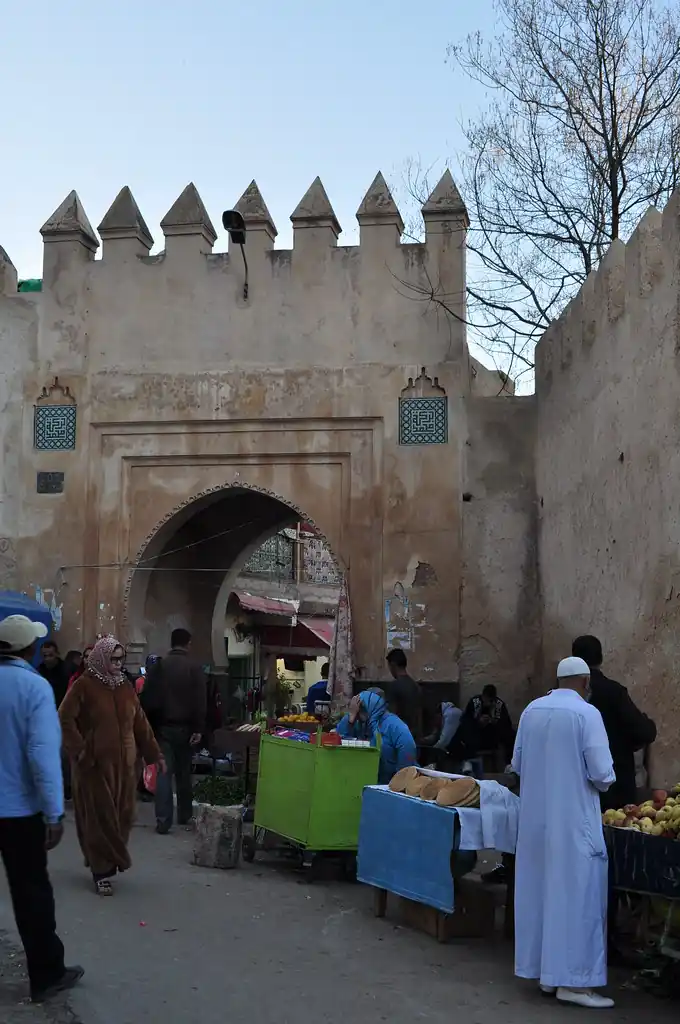
Sefrou is not a checklist city. Its appeal is the combination of a living walled medina, the Oued Aggai running through town, Muslim and Jewish heritage, working artisans, orchards and foothills that lead toward the Middle Atlas. It feels slower and more local than Fez, which is exactly why it rewards travelers who stay for more than a quick photo stop.
For most visitors, three to four hours is enough for the old city and riverside. A full day lets you add the cascade and Bhalil's cave homes; Ifrane and Azrou deserve a separate driving day. Dar Zaytoun in Bhalil is about 7 km from Sefrou, making it a practical base for all three routes.
This guide combines regional heritage records, official Moroccan tourism information, current access reporting and traveler feedback. Where opening times, water levels or entry arrangements can change, we say so instead of presenting uncertain information as fact.
1. Walk the Old Medina, Walls and Historic Gates
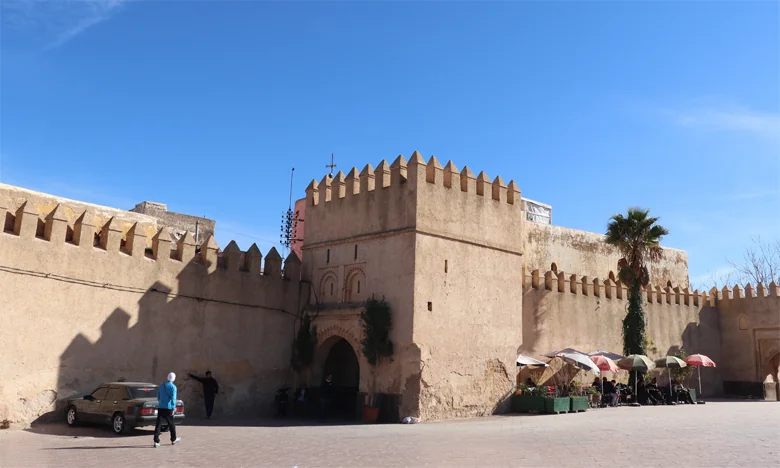
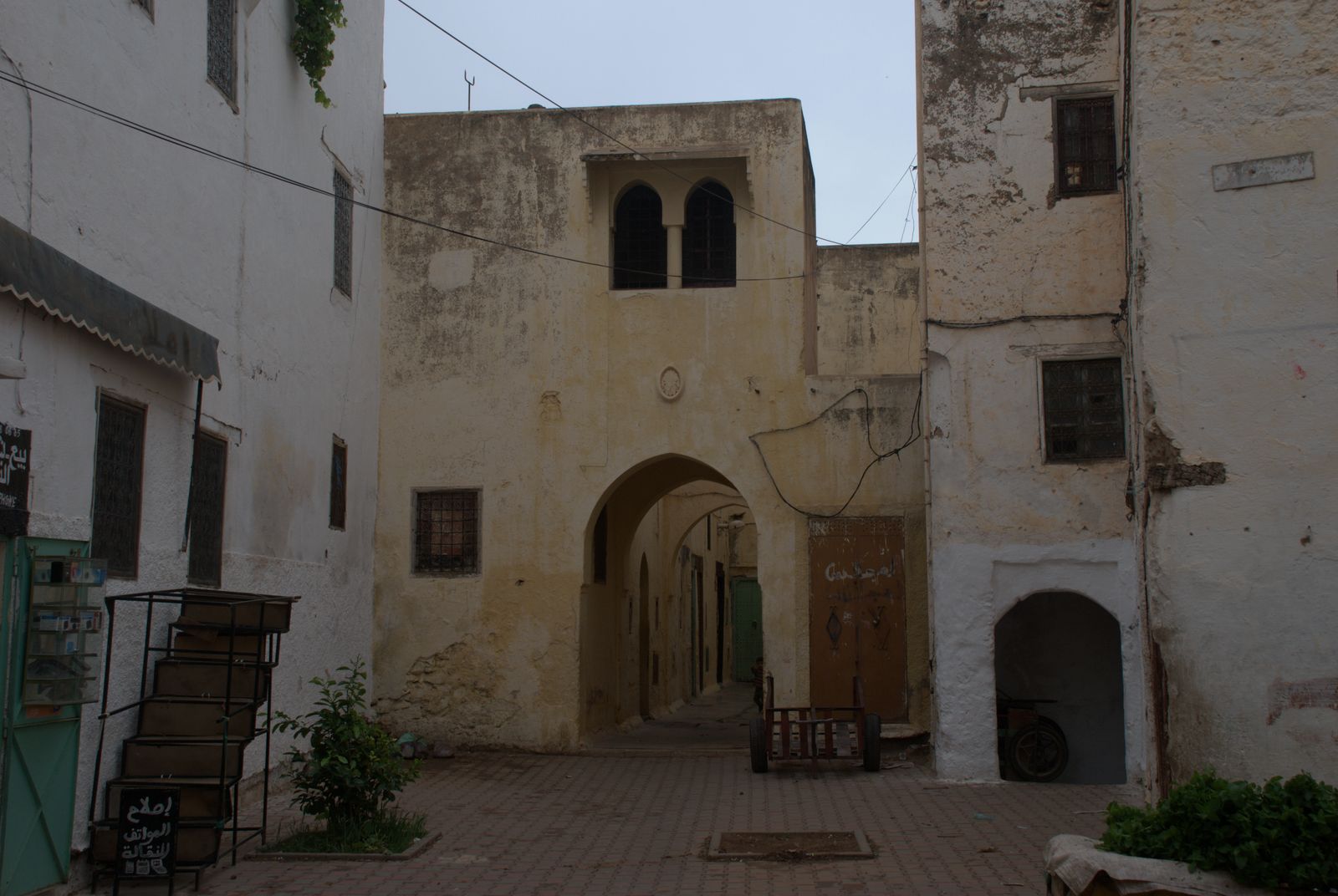
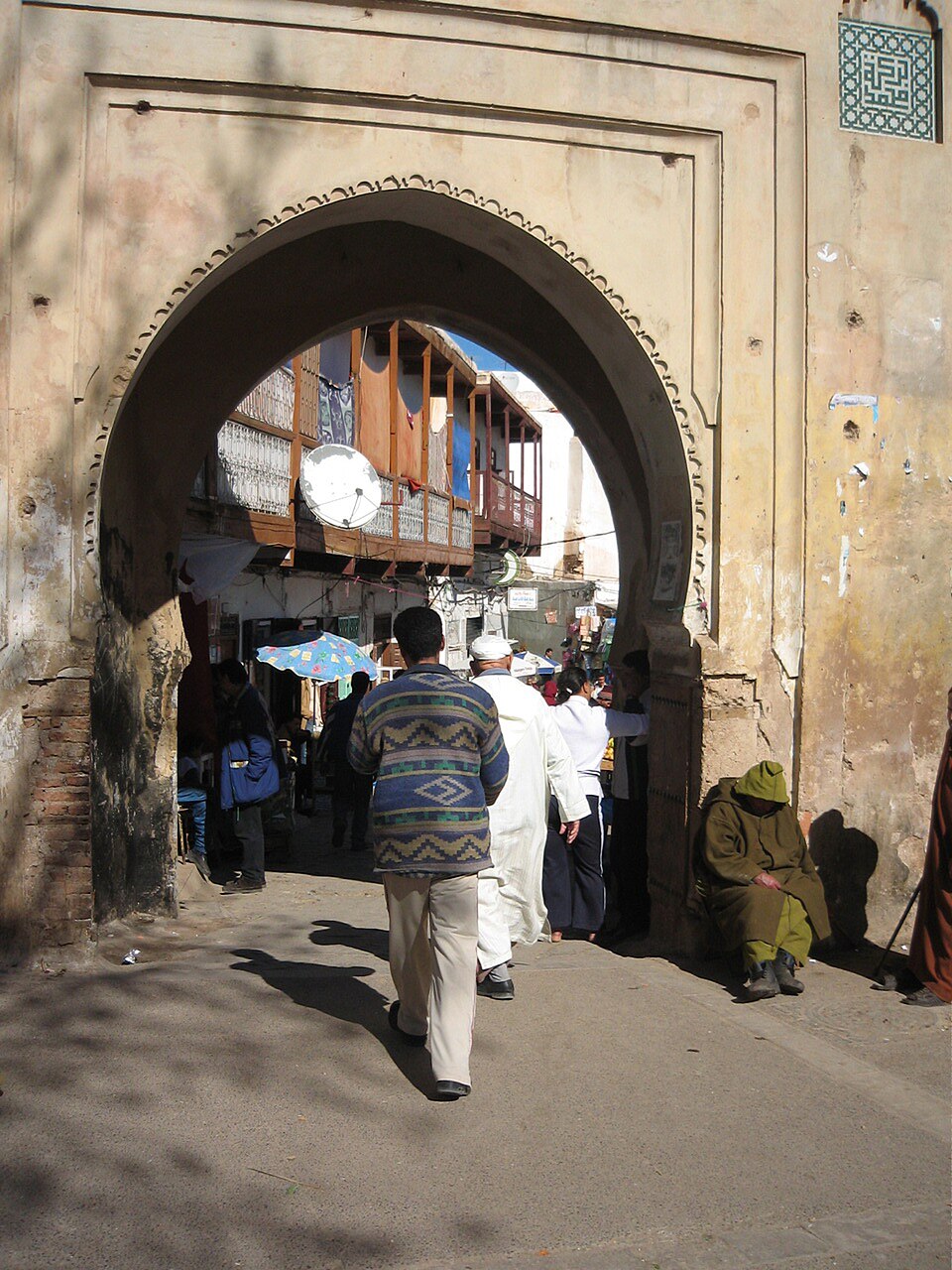
Begin at the fortified walls and enter on foot. The historic core preserves ramparts, defensive towers, old gates, bridges, mosques, zawiyas, fondouks and residential lanes. It is compact enough to explore without the sensory overload of Fez, but a local guide adds context and helps locate buildings that have little or no signage.
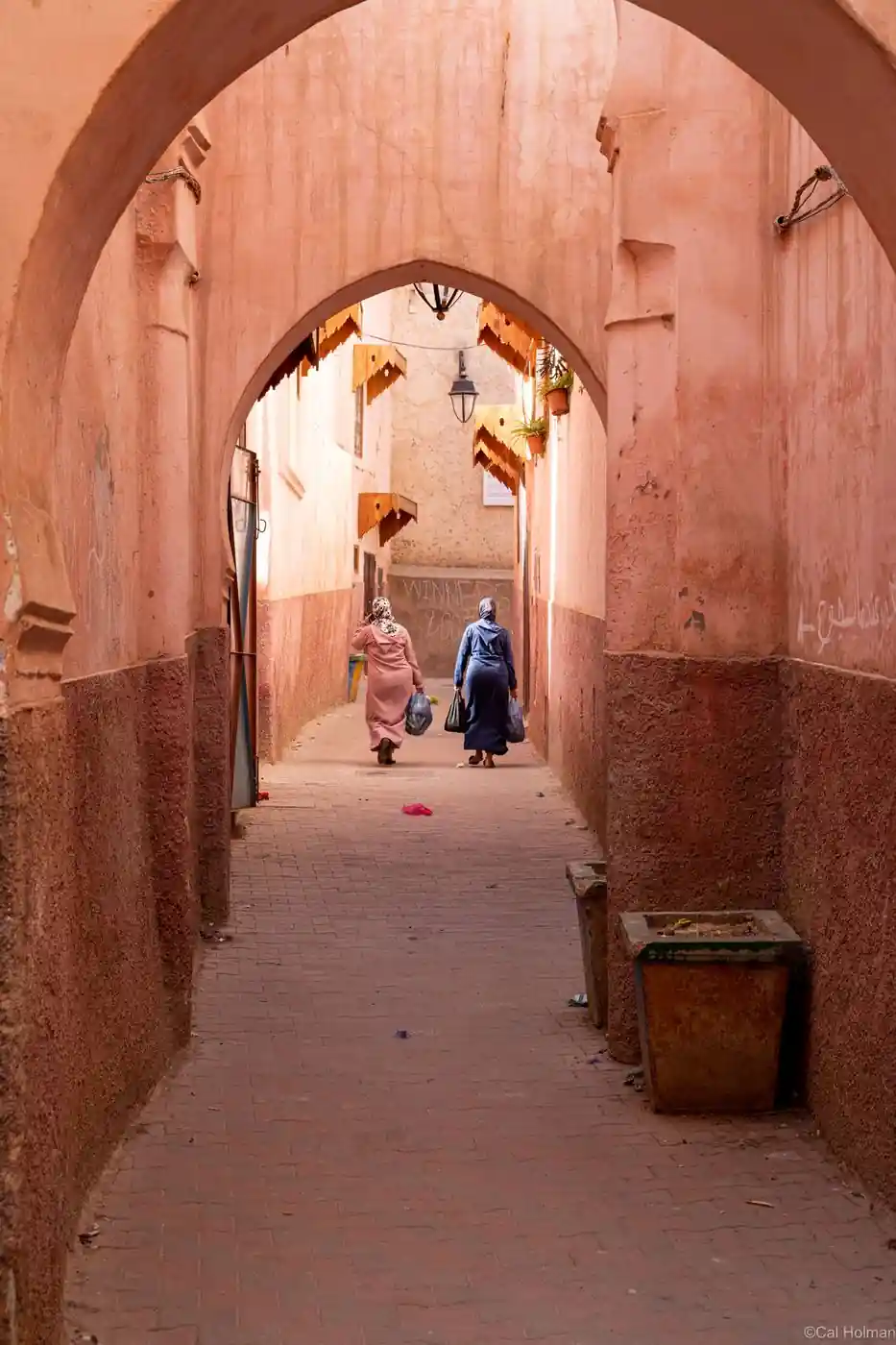
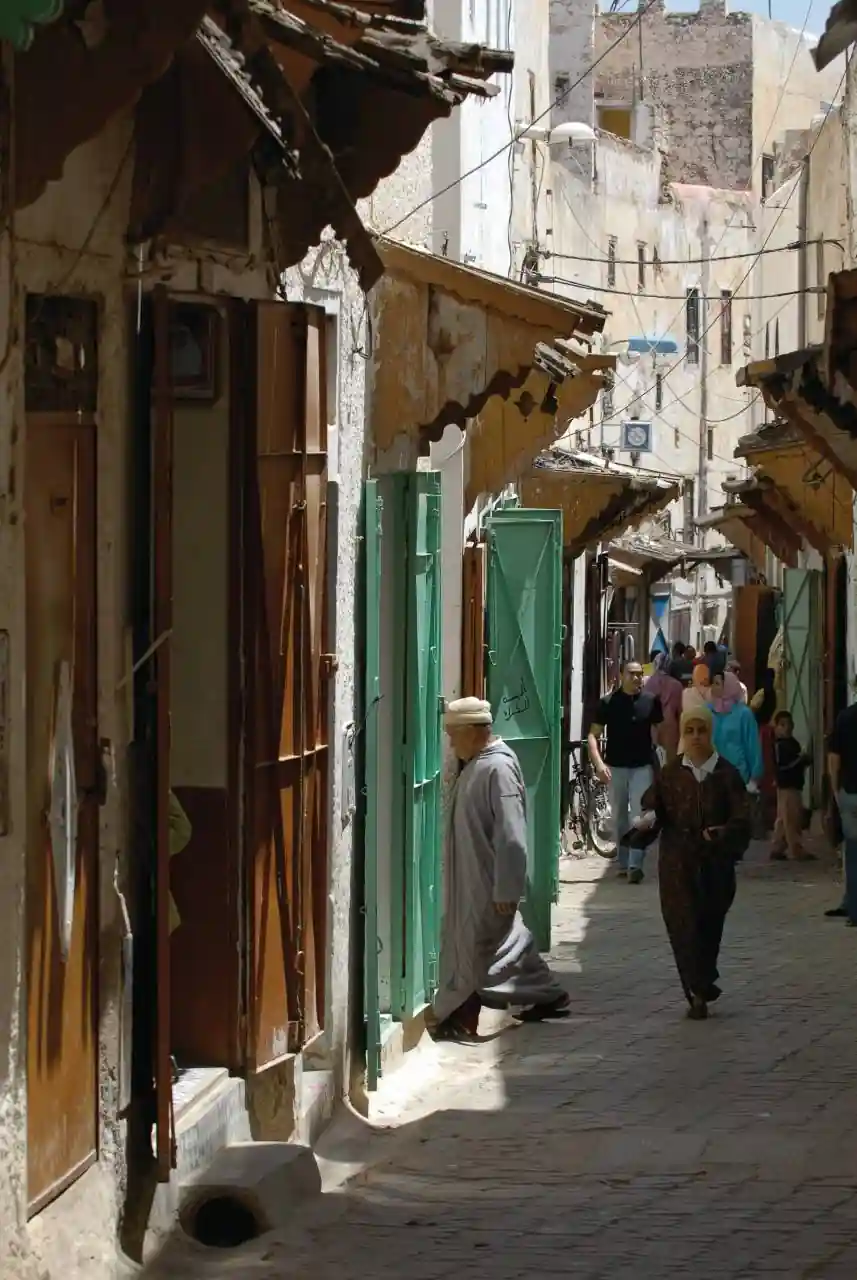
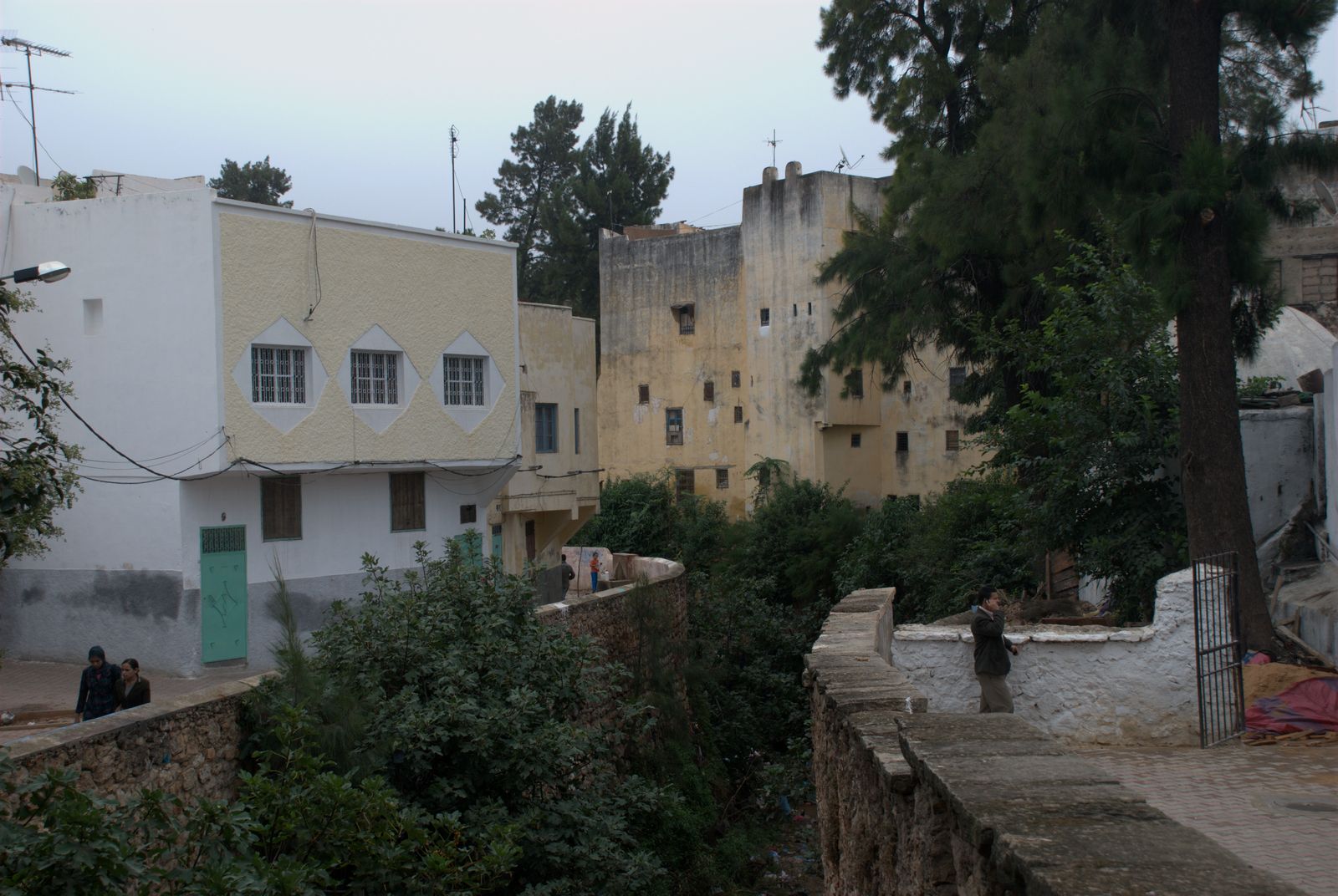
Follow the lanes toward the Oued Aggai, which historically divided and connected different quarters of the town. Look up as well as ahead: projecting rooms, simple carved doors, covered passages and balconies reveal how houses were adapted to narrow streets. This is a working neighborhood, so photograph architecture freely from public space but ask before photographing residents or shopkeepers.
- Allow 90 minutes for an independent orientation walk, or two to three hours with the mellah and heritage interpretation
- Wear shoes with grip: paving is uneven and some lanes have steps
- Start in the morning for active shops and softer light, or late afternoon for a quieter walk
- Religious buildings and private homes should only be entered when explicitly invited
2. Explore Sefrou's Mellah, Synagogues and Jewish Cemetery
Tripadvisor lists the Jewish Quarter, Jewish cemetery, Mellah Synagogue and Em Habanim among Sefrou's leading historic places. That is useful for identifying the cluster, but not for ranking it: most listings have only one or two reviews and several duplicate the same heritage. Treat them as parts of one connected story rather than four conventional attractions.
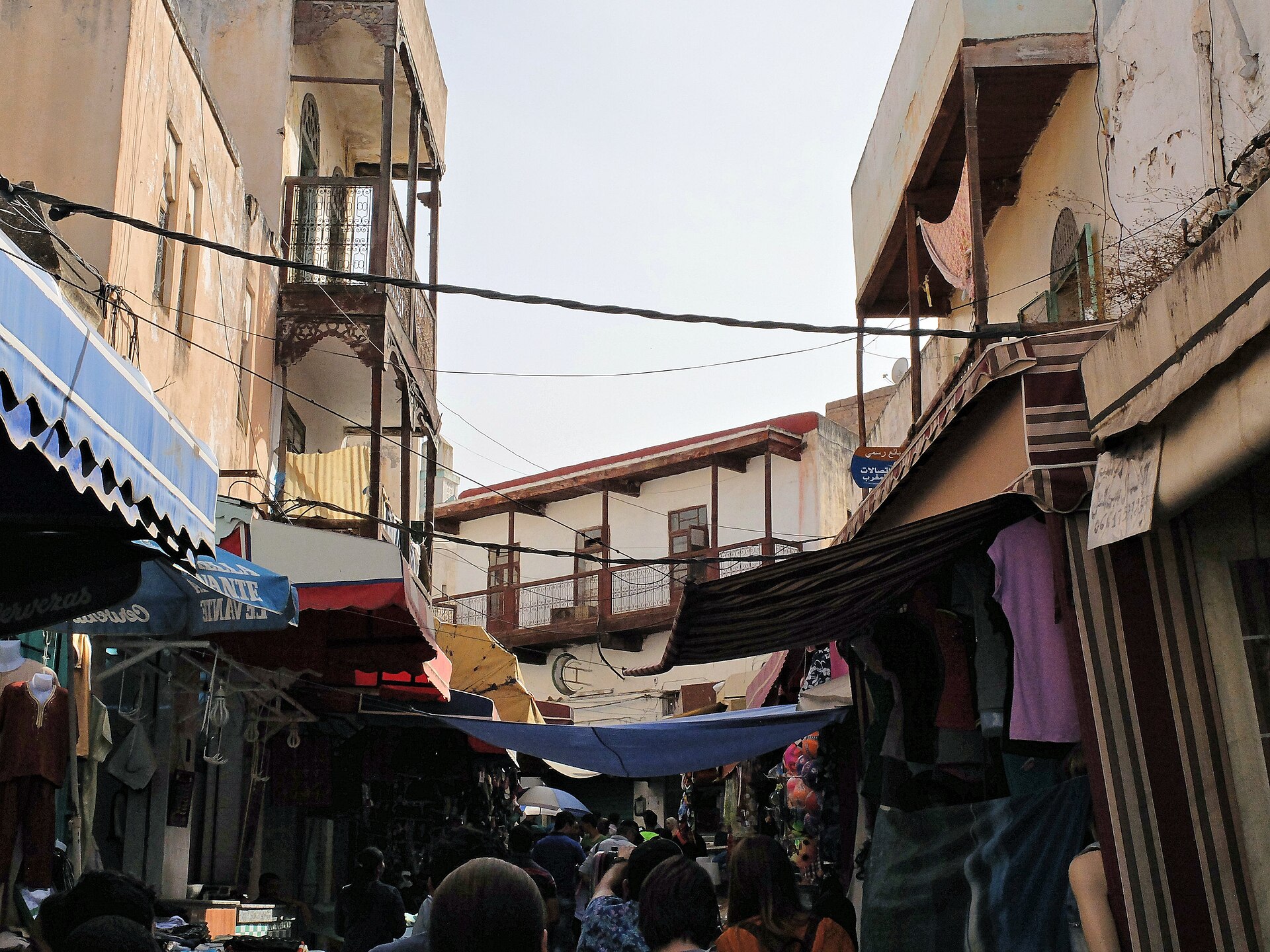
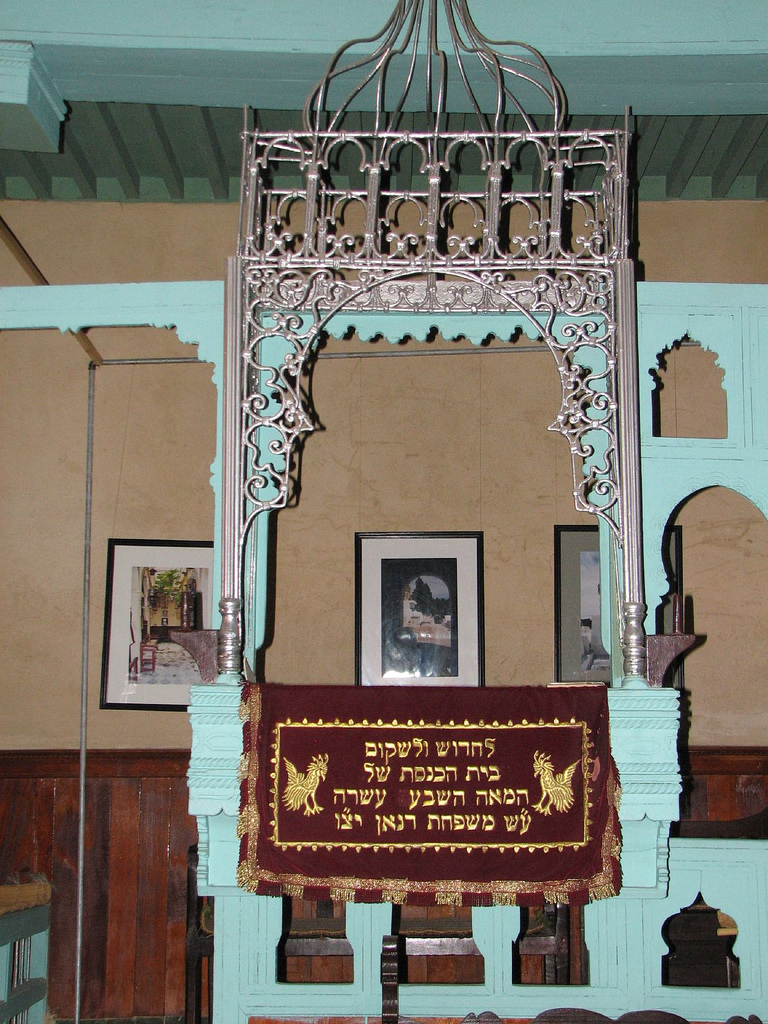
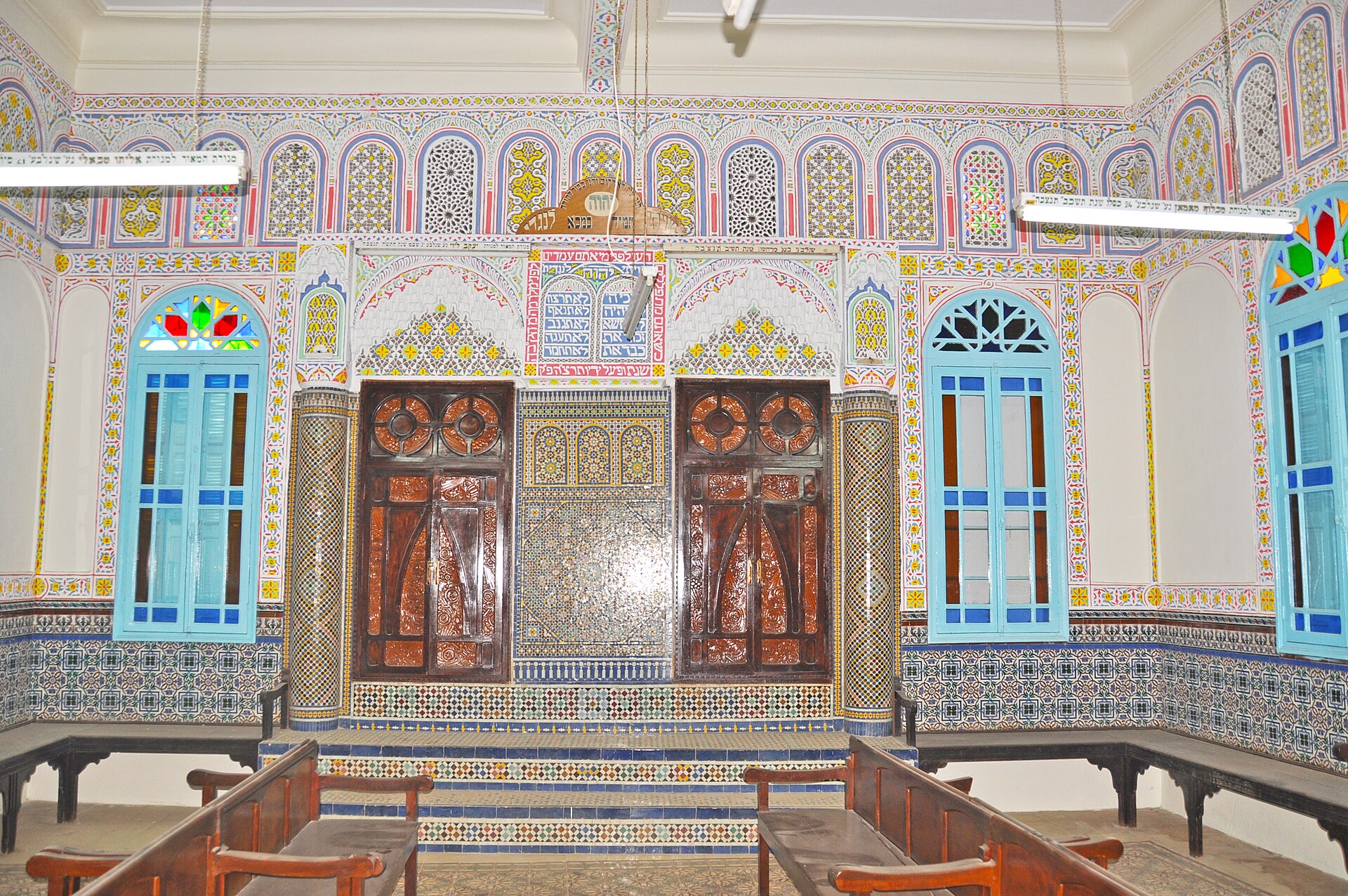
Jewish and Muslim communities lived alongside one another in Sefrou for centuries, and the former mellah is recognized for houses with outward-facing wooden and iron balconies. Inside the quarter, surviving synagogue interiors preserve painted wood, Hebrew inscriptions, lamps and devotional furnishings. The restored Em Habanim complex recalls the school, community and religious life that once made Sefrou an important center of Moroccan Jewish learning.
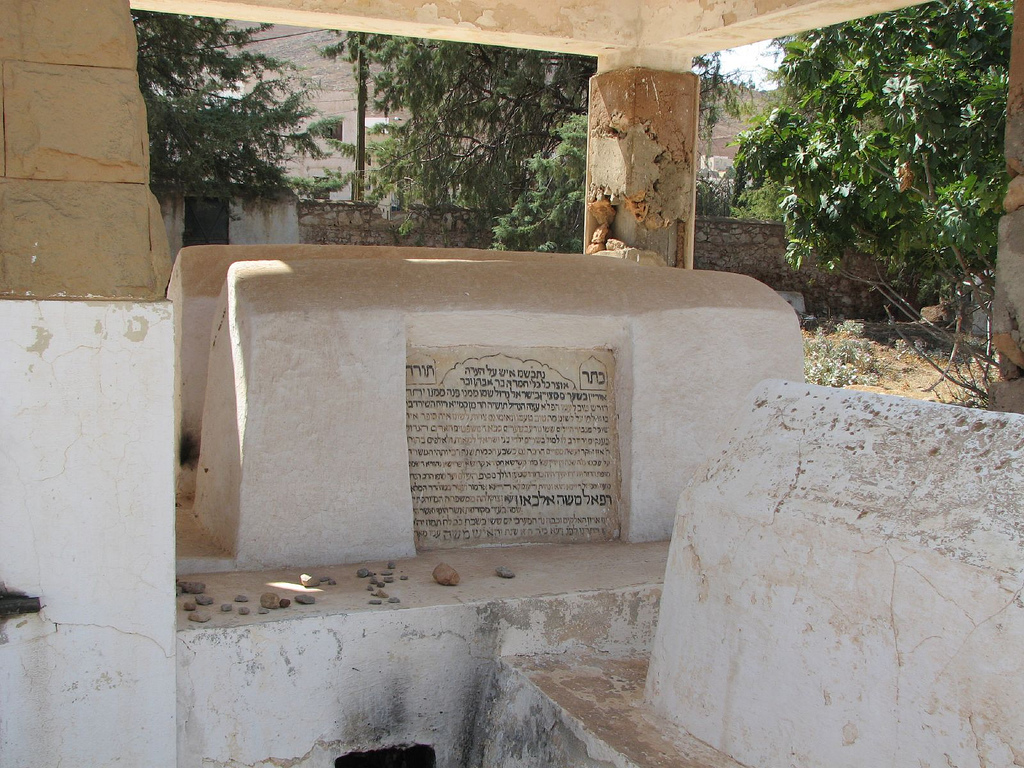
The Jewish cemetery contains whitewashed tombs and memorials, including remembrance connected with the destructive 1950 flood. These are sacred and sometimes controlled spaces—not guaranteed walk-in attractions. Arrange access through a knowledgeable local contact, dress respectfully, keep voices low and ask before photographing inside a synagogue or cemetery.
- Allow 60–90 minutes when access to interiors and the cemetery has been arranged
- Do not rely on Tripadvisor opening hours; contact your host or guide on the same day
- Use one heritage guide for the mellah, synagogue, Em Habanim and cemetery instead of treating duplicated online listings as separate tours
- Never touch tombs, religious objects or memorial stones
3. Meet Sefrou's Artisans and Browse the Traditional Market
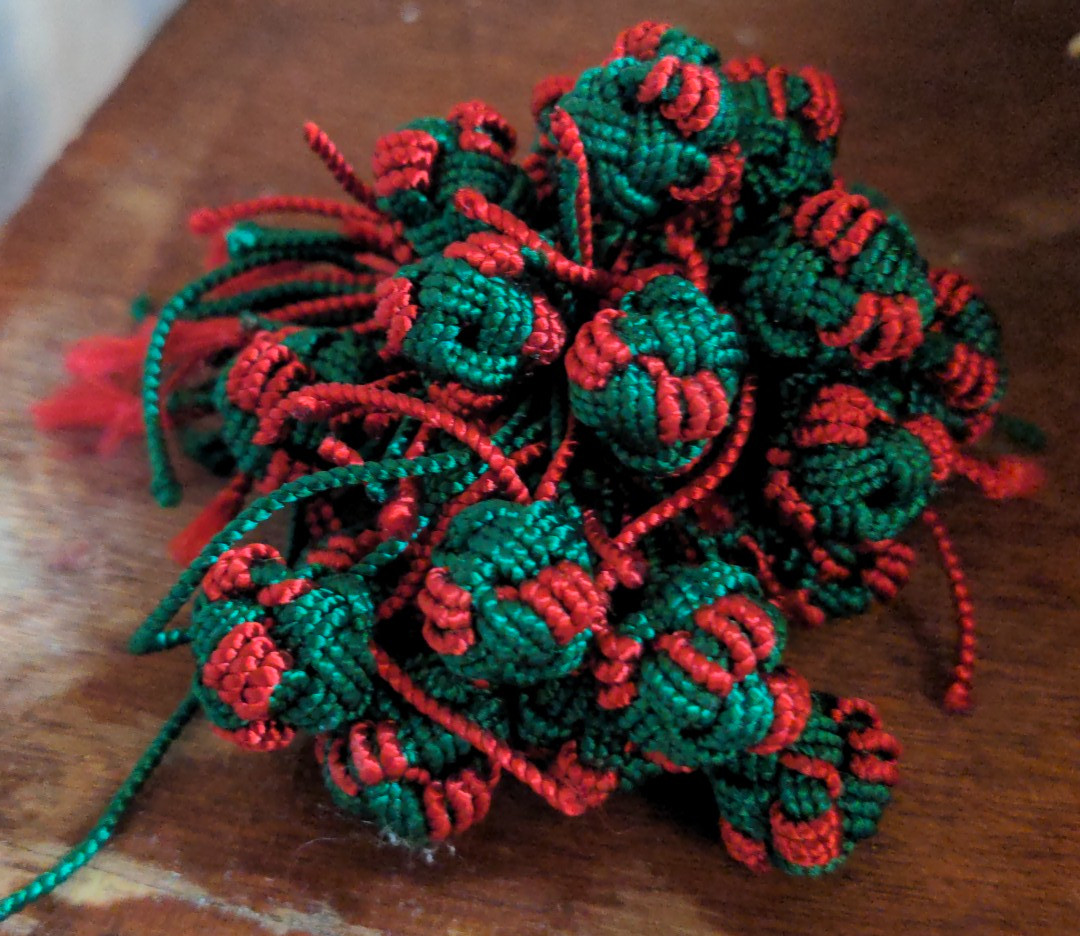
The Bab Lamqam artisan complex is the most useful starting point for local craft. Morocco's Maison de l'Artisan documents wood carving, ceramics, silk button-making, embroidery, traditional tailoring, weaving and decorative ironwork in Sefrou. What is active on a particular day varies, so a host or licensed local guide can be more valuable than an online timetable.
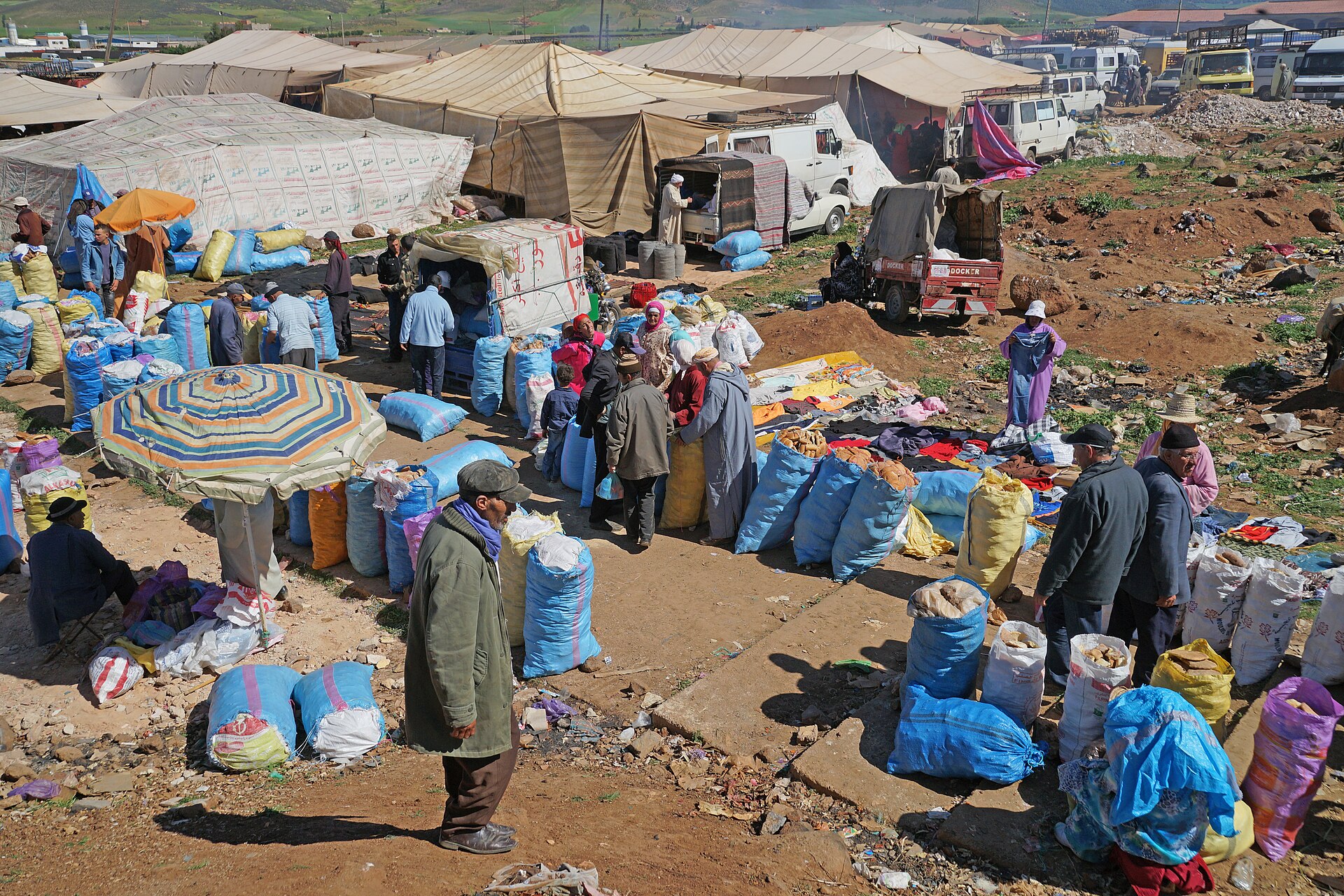
Thursday is traditionally Sefrou's main market day, when produce and goods arrive from the surrounding countryside. Go early, carry small-denomination cash and treat it as a local market rather than a staged attraction. Schedules and trading locations can shift around holidays, so confirm the day locally if the souk is central to your plans.
For food, follow activity rather than rankings. Sefrou has only a small and volatile set of online restaurant reviews, making 'best restaurant' lists unreliable. Busy bakeries, grills and cafés are usually a better signal; ask what is available that day, and arrange a home-style lunch through your accommodation if you want a slower regional meal.
4. Follow the Oued Aggai to the Sefrou Cascade
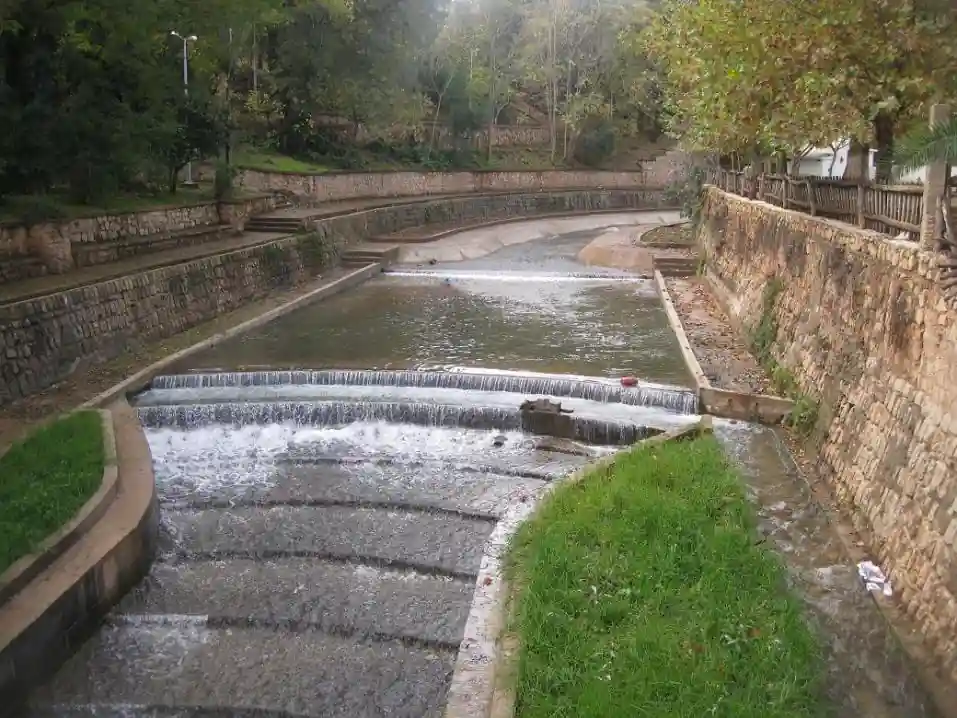
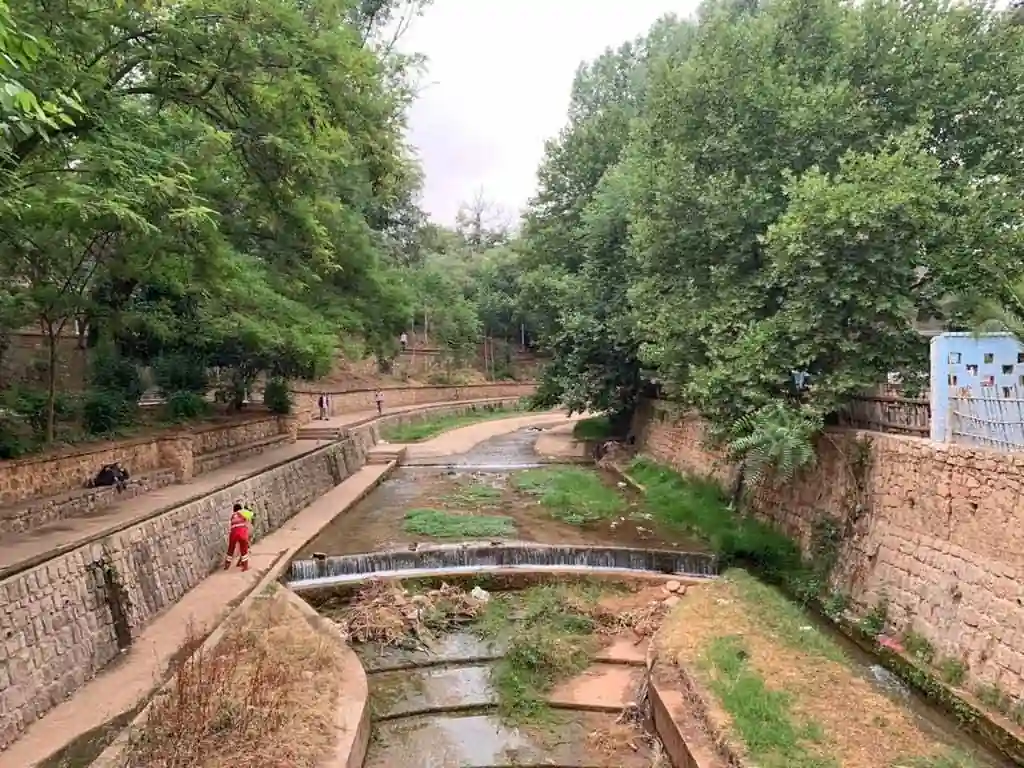
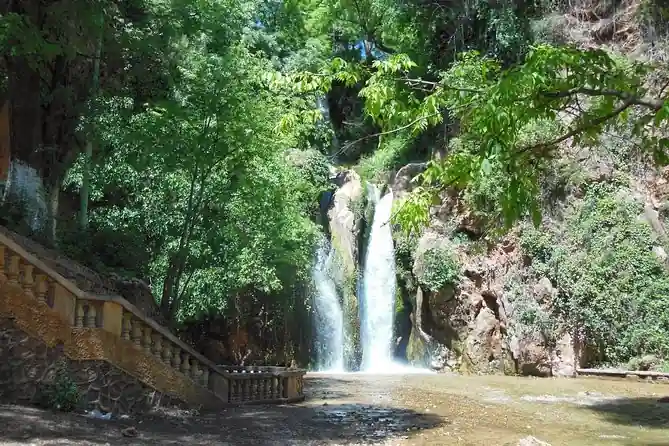
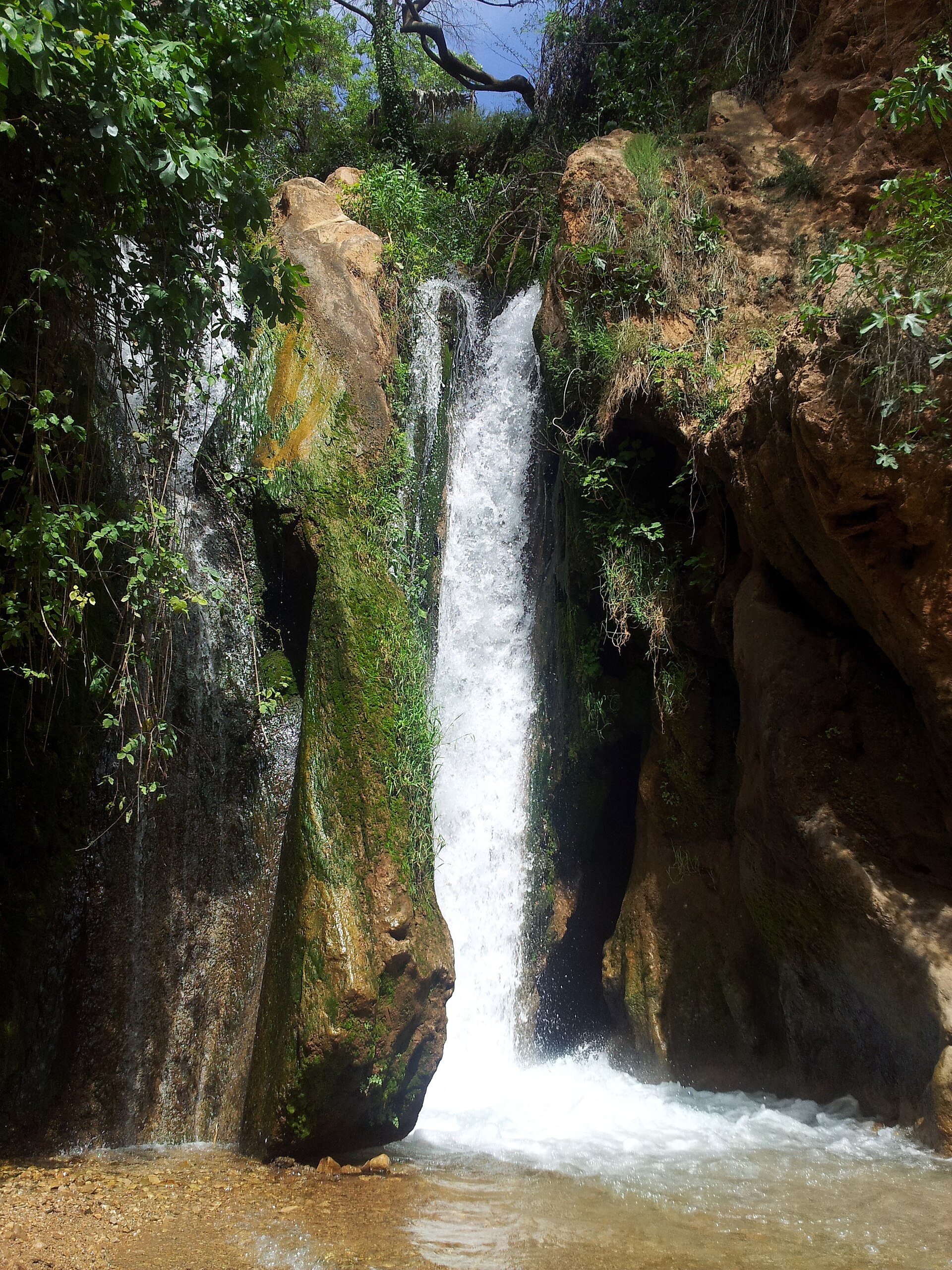
The riverside walk is as important as the waterfall. Paths and channels beside the Oued Aggai pass stone retaining walls, small drops, gardens and shaded sections before reaching the cascade in its narrow gorge. From the edge of the medina, allow roughly 30 minutes each way depending on your starting point, pace and the route currently open.
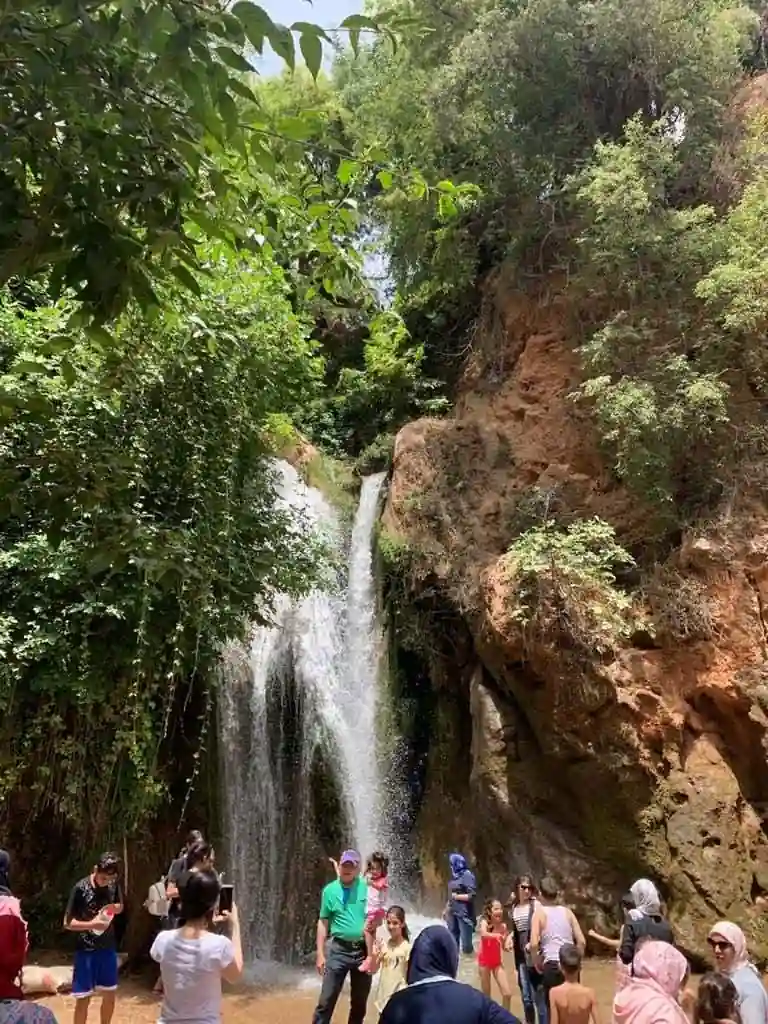
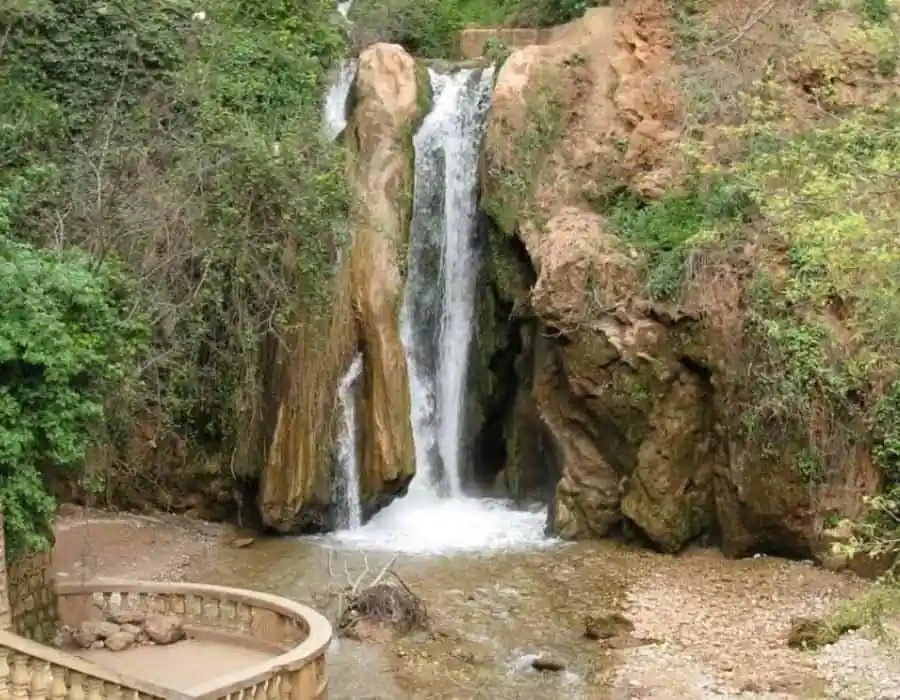
Set expectations correctly: this is a modest, seasonal urban cascade, not a remote high-volume waterfall. It is usually most attractive after wet weather and in spring; flow can be much lower after dry periods. Recent local reporting has also described visitor confusion about access and an on-site charge, so ask your host or guide about the current entrance before setting out and carry small cash without relying on a fixed online price.
Wear footwear that can handle damp stone, keep children close near water and avoid climbing wet rock. After storms, ask locally about path conditions. A quiet riverside walk can still be worthwhile when the main fall is low, but visitors who expect a major natural spectacle may be disappointed.
5. Climb toward Kahf Al Moumen and the Hillside Viewpoints
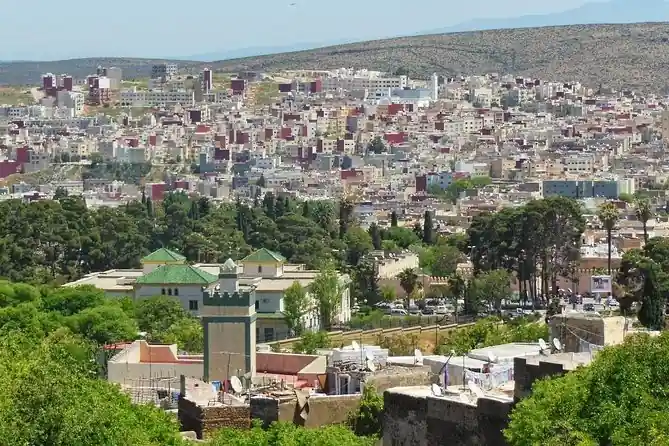
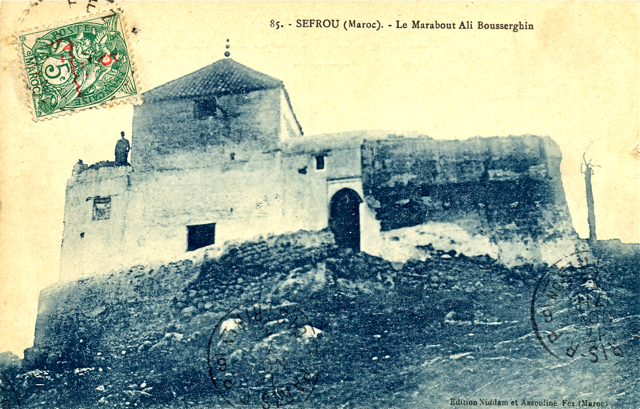
Kahf Al Moumen, also written Kef el-Moumen, is a natural cave on Jbel Bina above Sefrou. Regional heritage material records legends around the cave and a history of veneration by both Muslims and Jews, making the site meaningful beyond the view. Nearby Sidi Ali Bousserghine is another established local pilgrimage place and viewpoint over the city.
These hillside sites are less straightforward than the medina: signage, access and the best path can change, and the cultural meaning is easy to miss without explanation. Go with someone who knows the current route, carry water and avoid attempting the climb in extreme heat or unstable weather. Do not enter caves alone or treat a shrine as an ordinary photo stop.
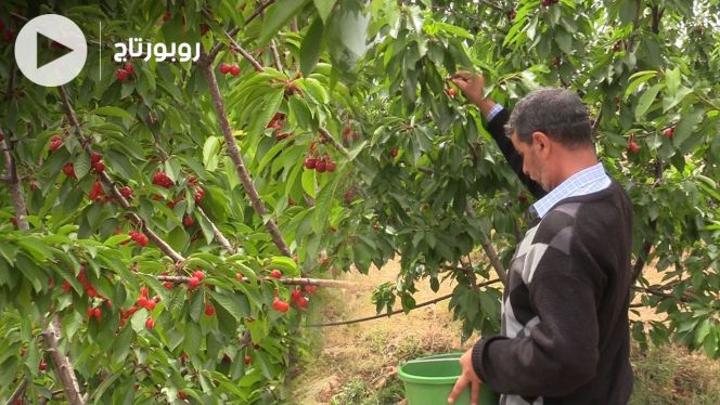
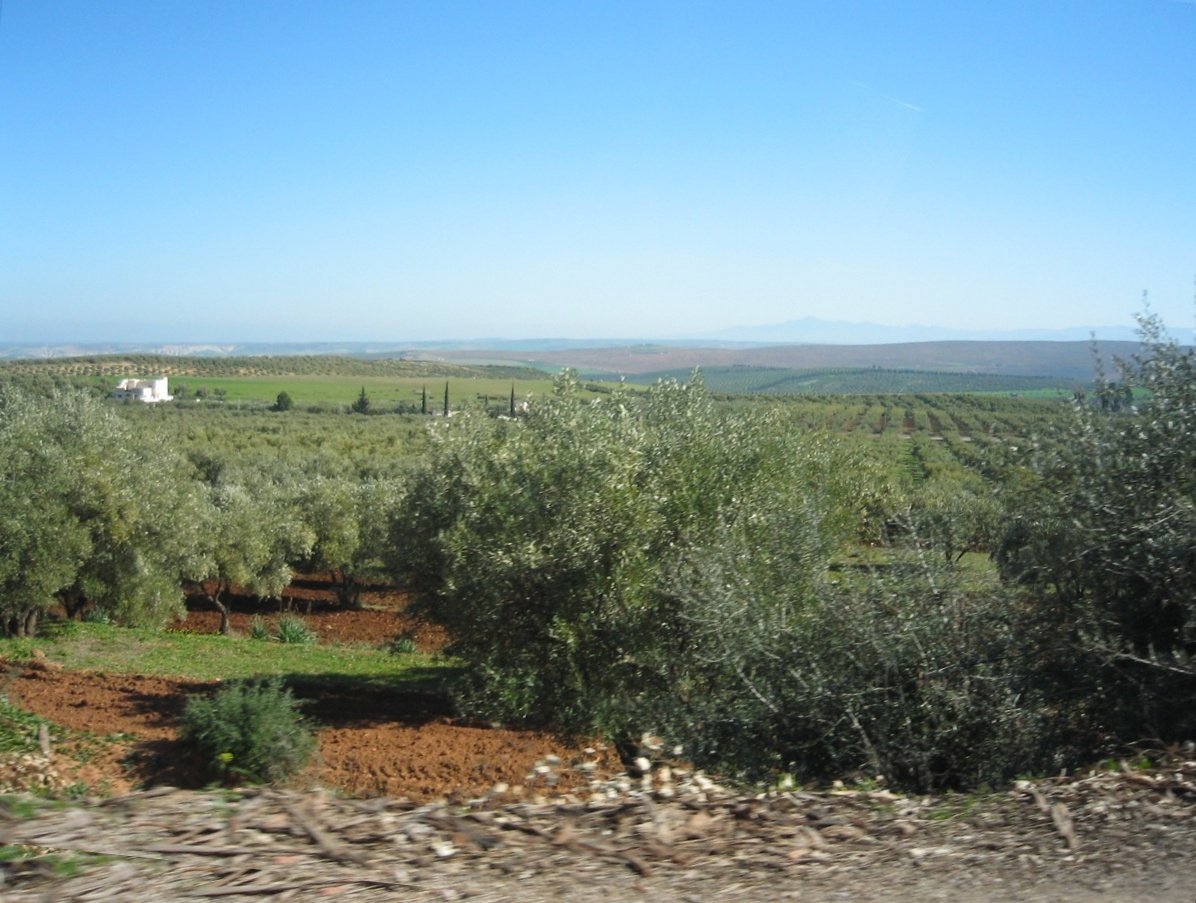
For a gentler alternative, arrange a countryside walk through the olive and cherry-growing slopes around Sefrou and Bhalil. Late spring brings fruit activity, but orchards are working private land—visit with permission and never pick fruit without being invited.
6. Spend Half a Day in Bhalil's Cave-House Village
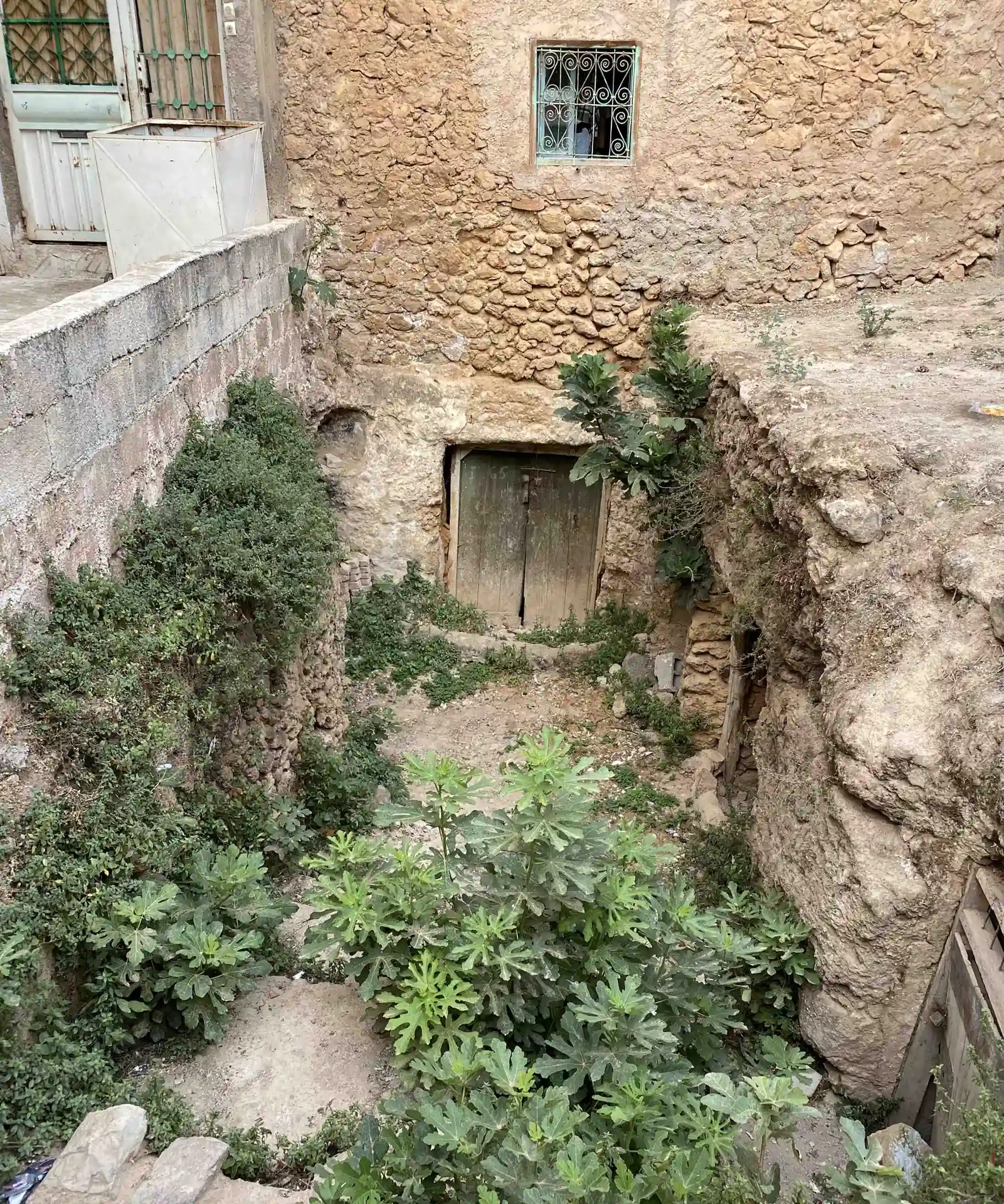
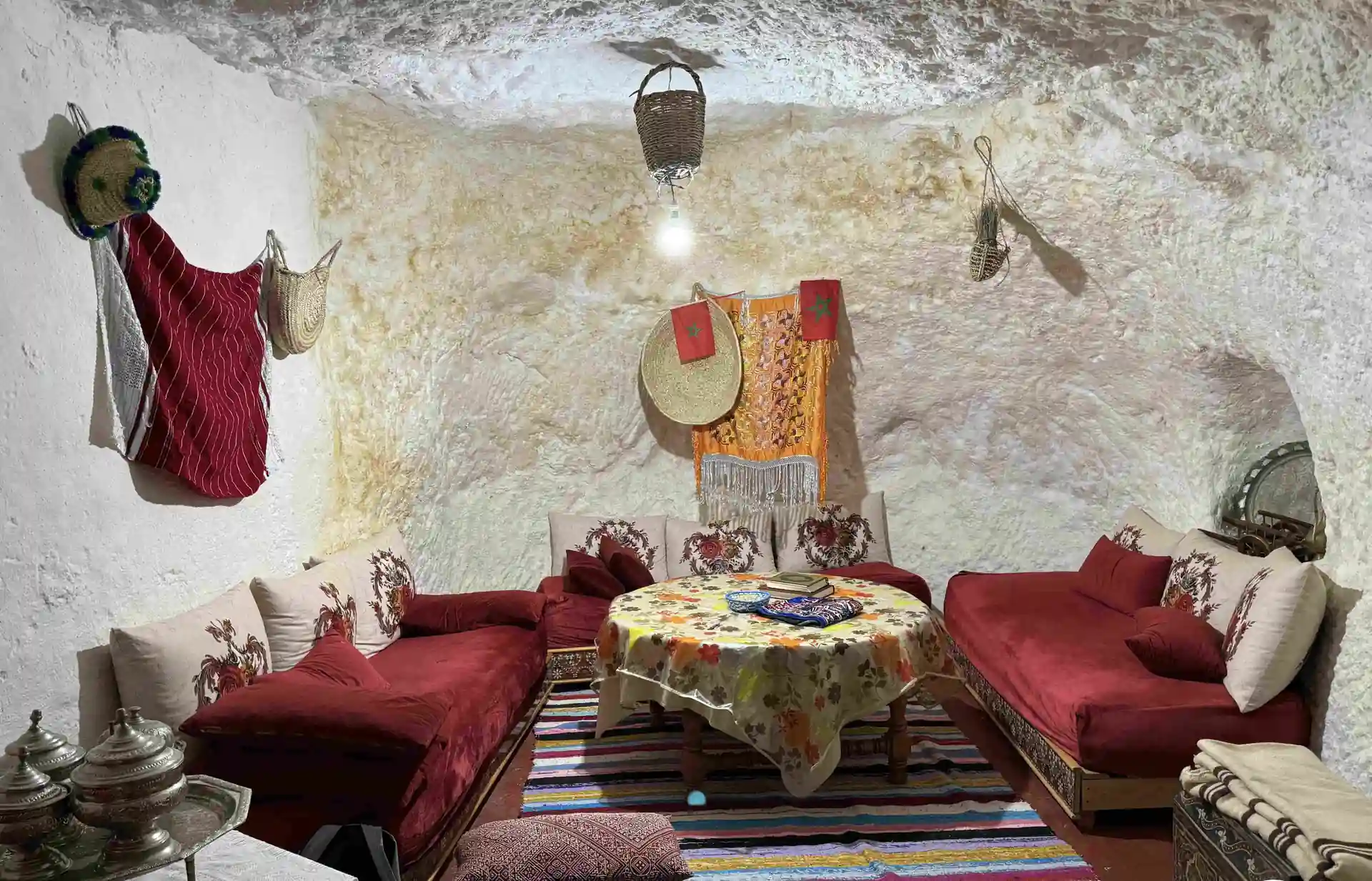
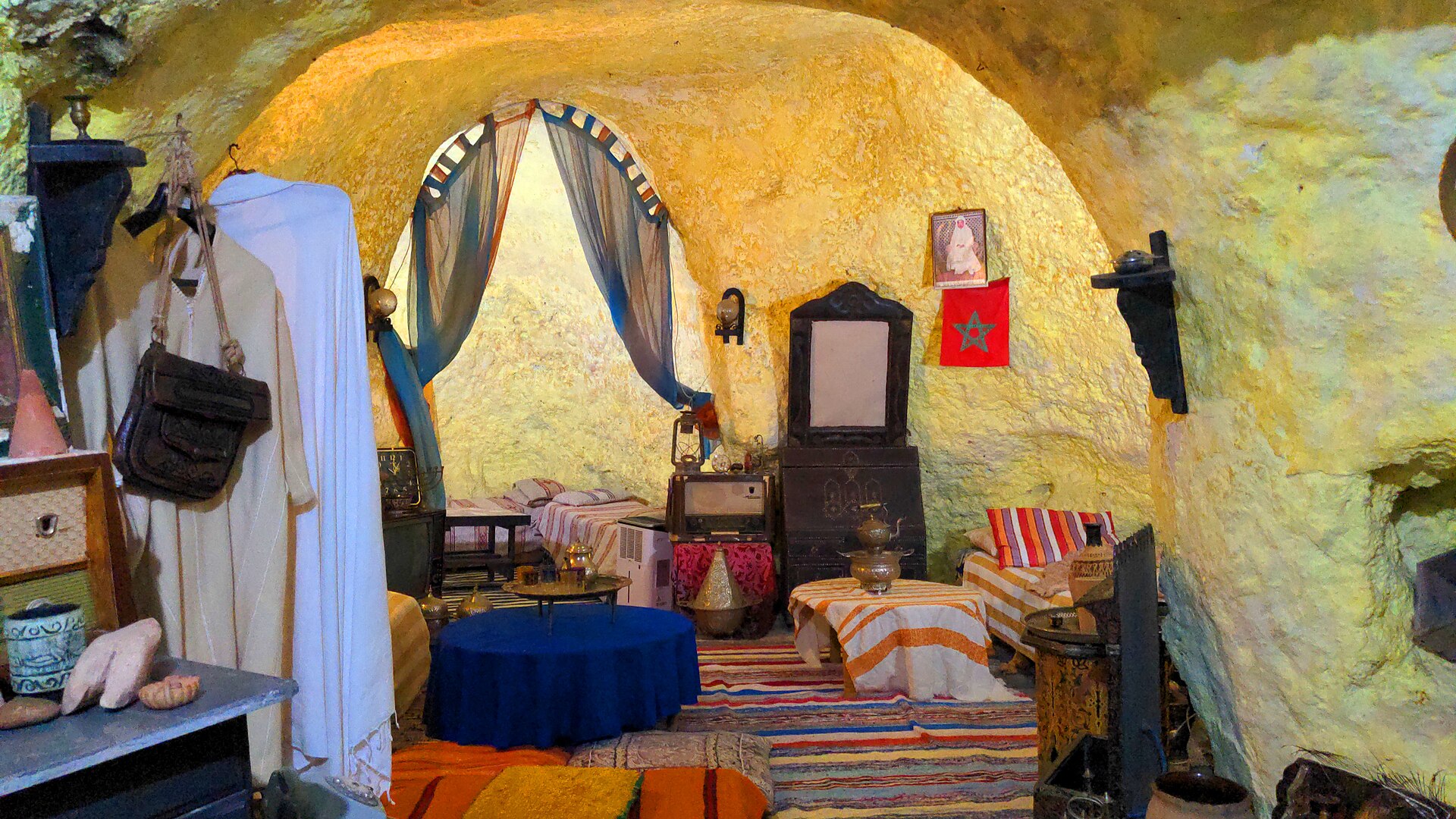
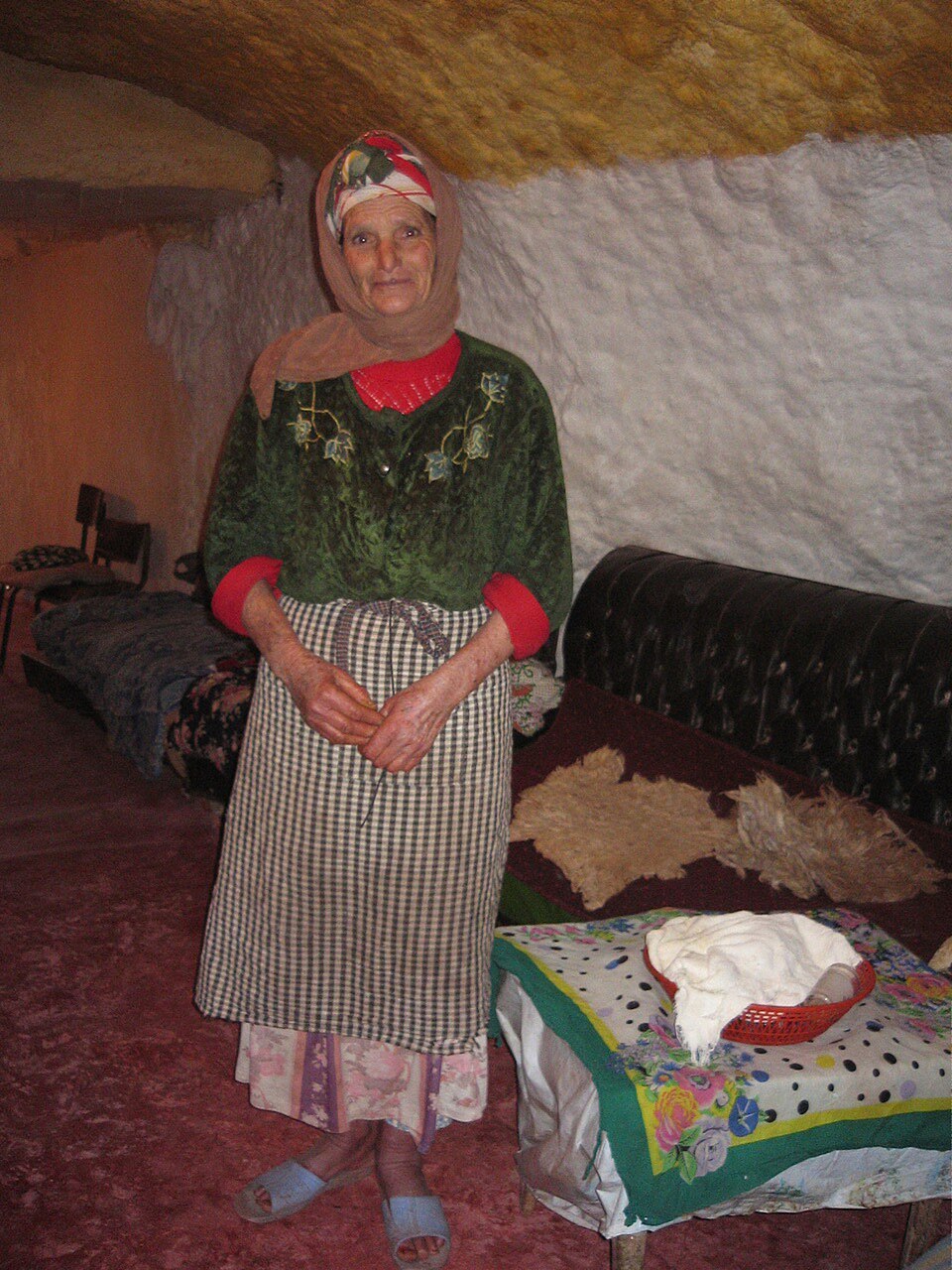
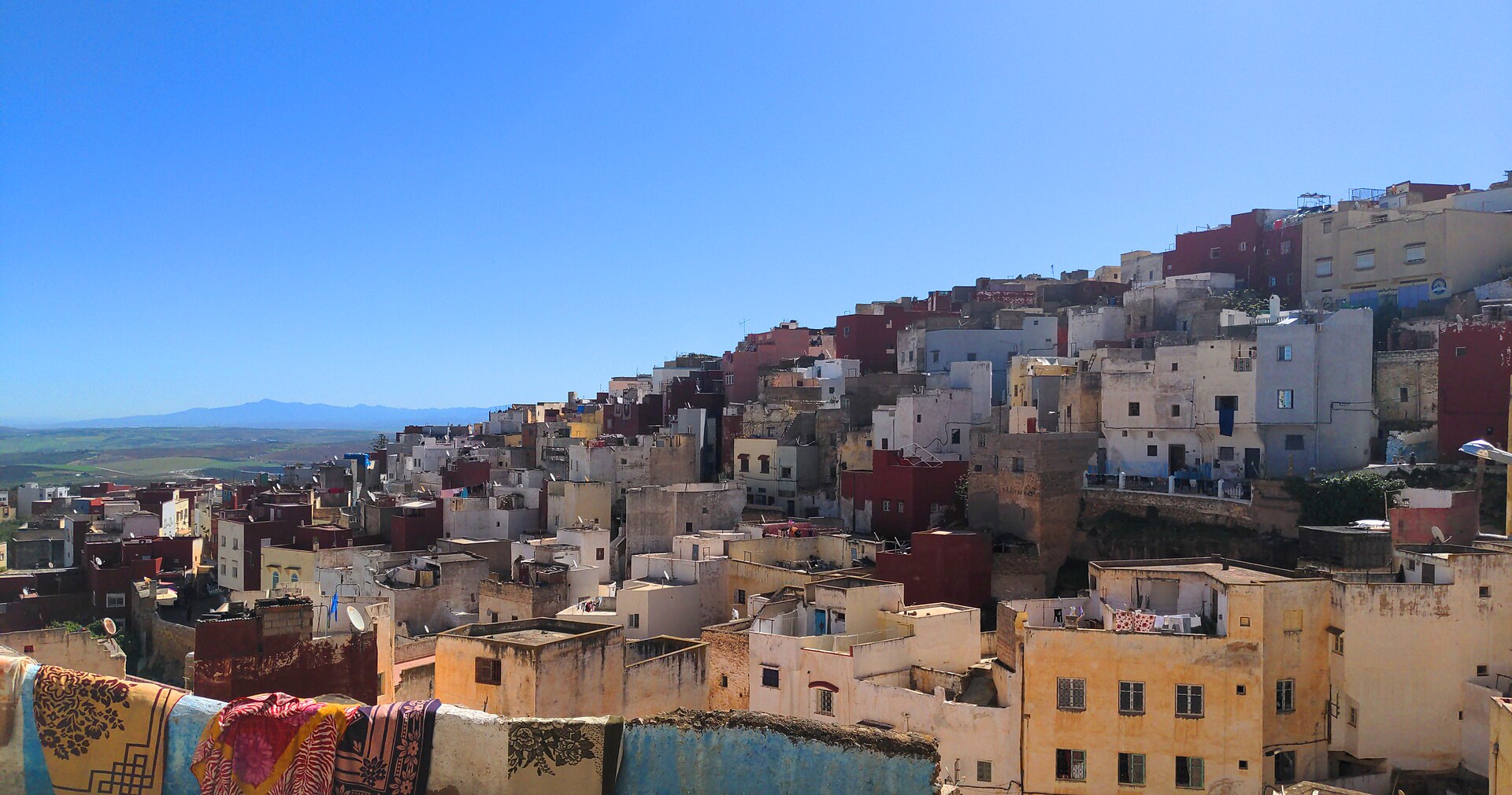
Bhalil, about 7 km from Sefrou, is the natural companion visit. Parts of the village were built against and into the hillside, and some families still use rock-cut rooms as sitting rooms, bedrooms, storage spaces or guest accommodation. The pleasure is not simply seeing a cave: it is understanding how a cool natural chamber became part of an inhabited home.
Cave houses are private property, not an open-air museum. Arrange a visit through a resident, guide or guesthouse; accept tea only when genuinely invited, ask before taking interior photographs and agree in advance whether a guide fee, household contribution or craft purchase is expected. Some homes involve steep lanes, stairs, low ceilings and cool or damp rooms.
Traveler reviews on TripAdvisor repeatedly value the personal side of Bhalil—tea, family stories, quiet lanes and an experience away from crowded Fez—but the cave-house listing has only a handful of reviews. That makes it useful as a qualitative signal, not a statistical ranking. A respectful local introduction matters far more than an online score.
7. Make Ifrane and Azrou a Separate Middle Atlas Day
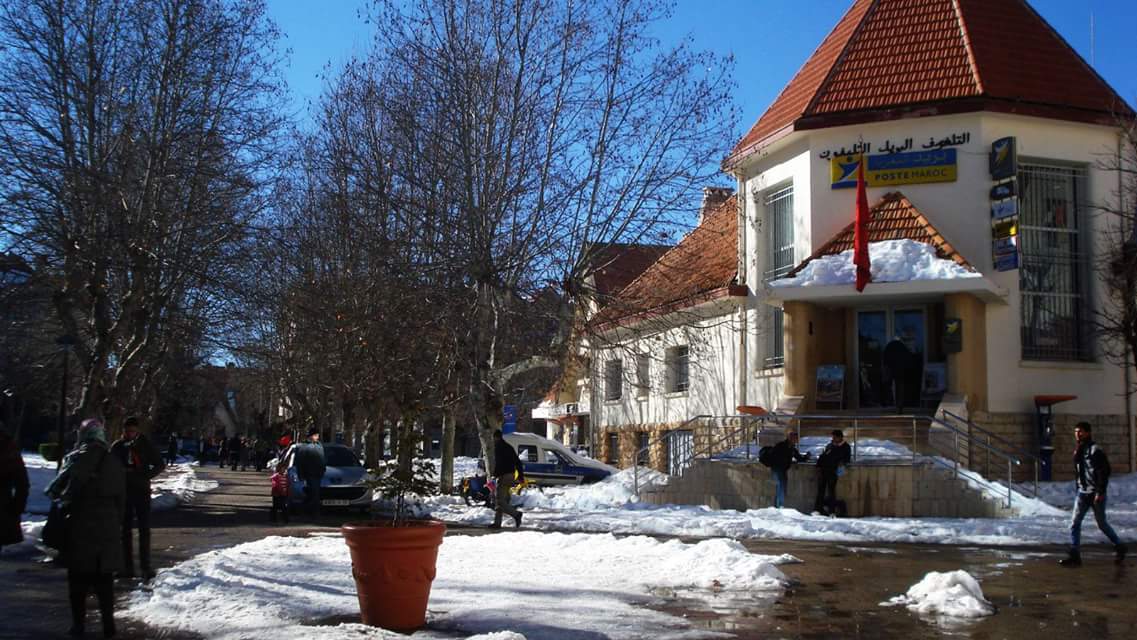
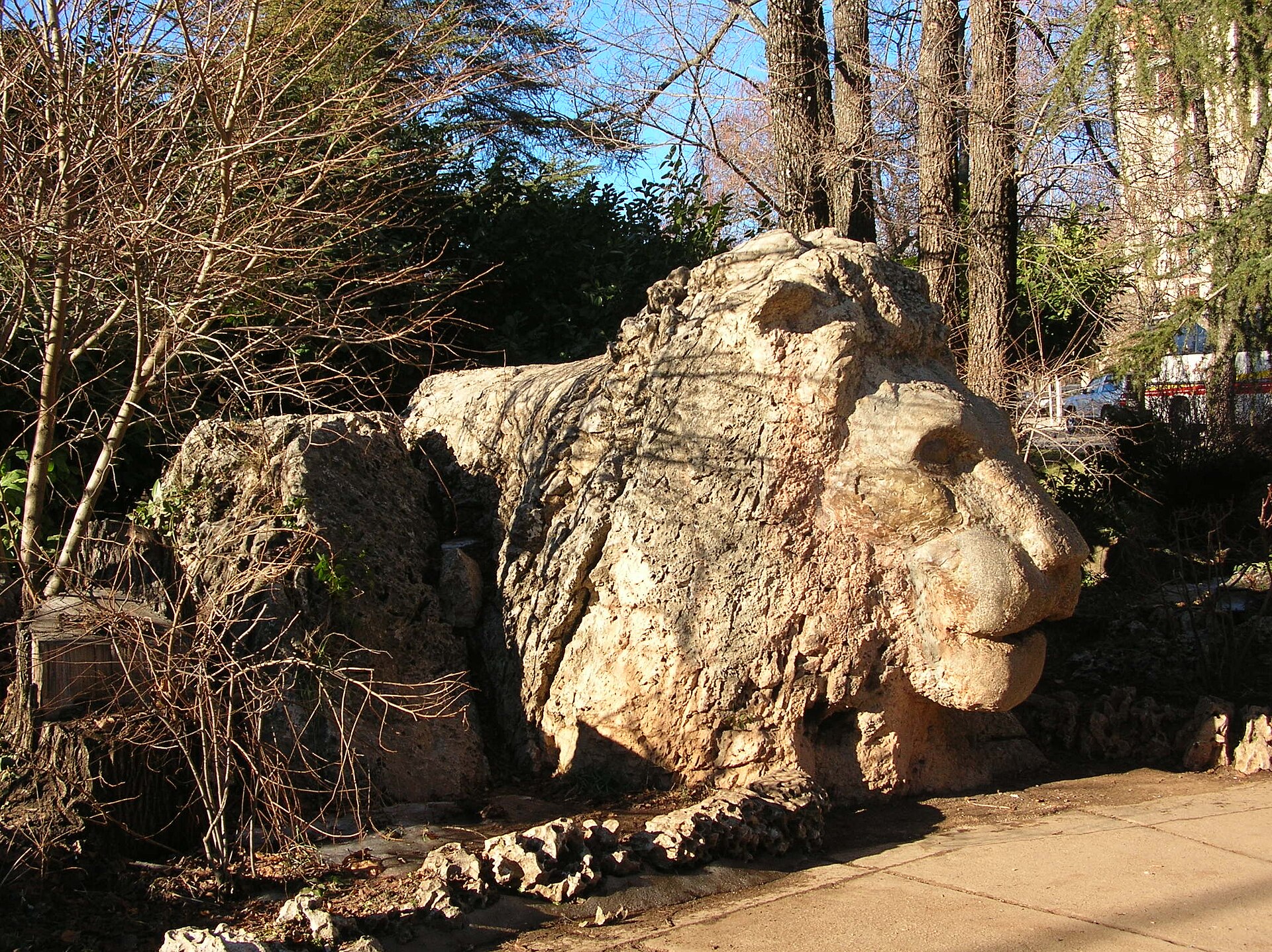
Ifrane is roughly 60 km from Sefrou by road—about an hour by car in normal conditions—and public transport is indirect. Its high-altitude parks, red-roofed architecture and cool air make a marked contrast with Sefrou. Continue toward Azrou for the town's Amazigh craft tradition and the cedar and oak landscapes of Ifrane National Park.
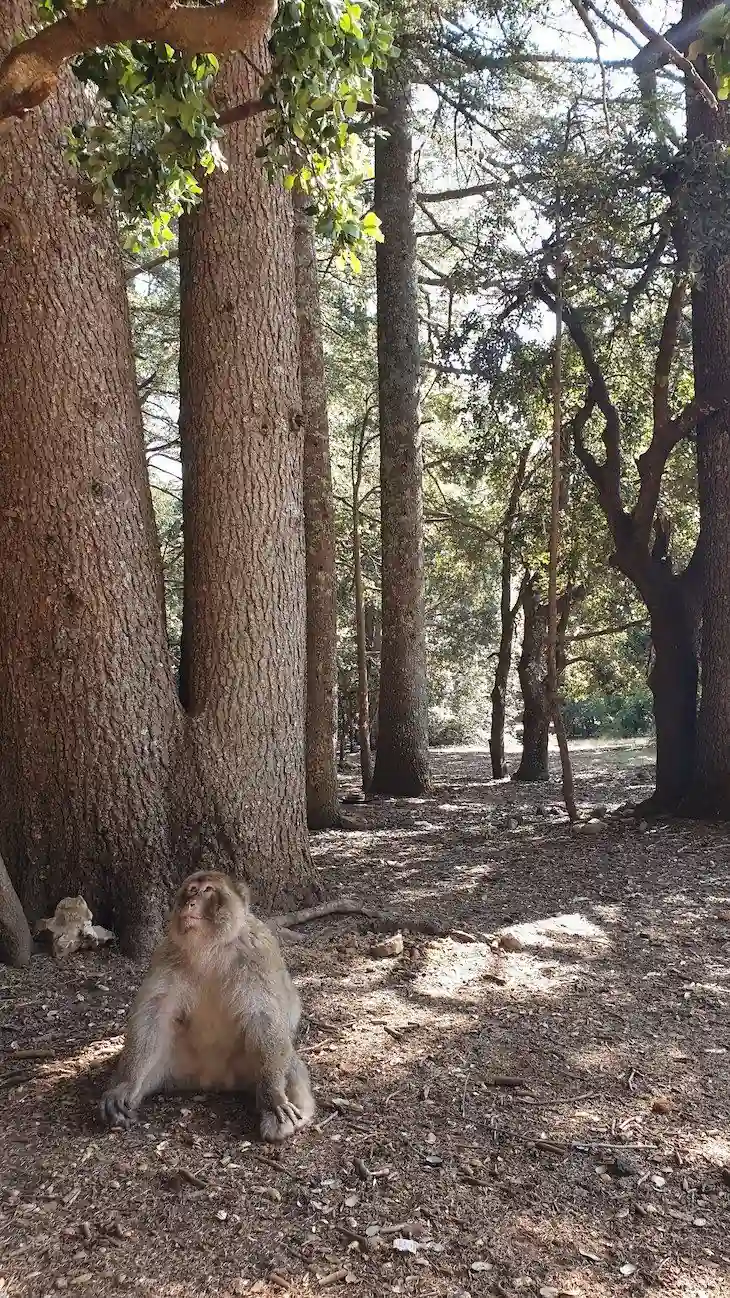
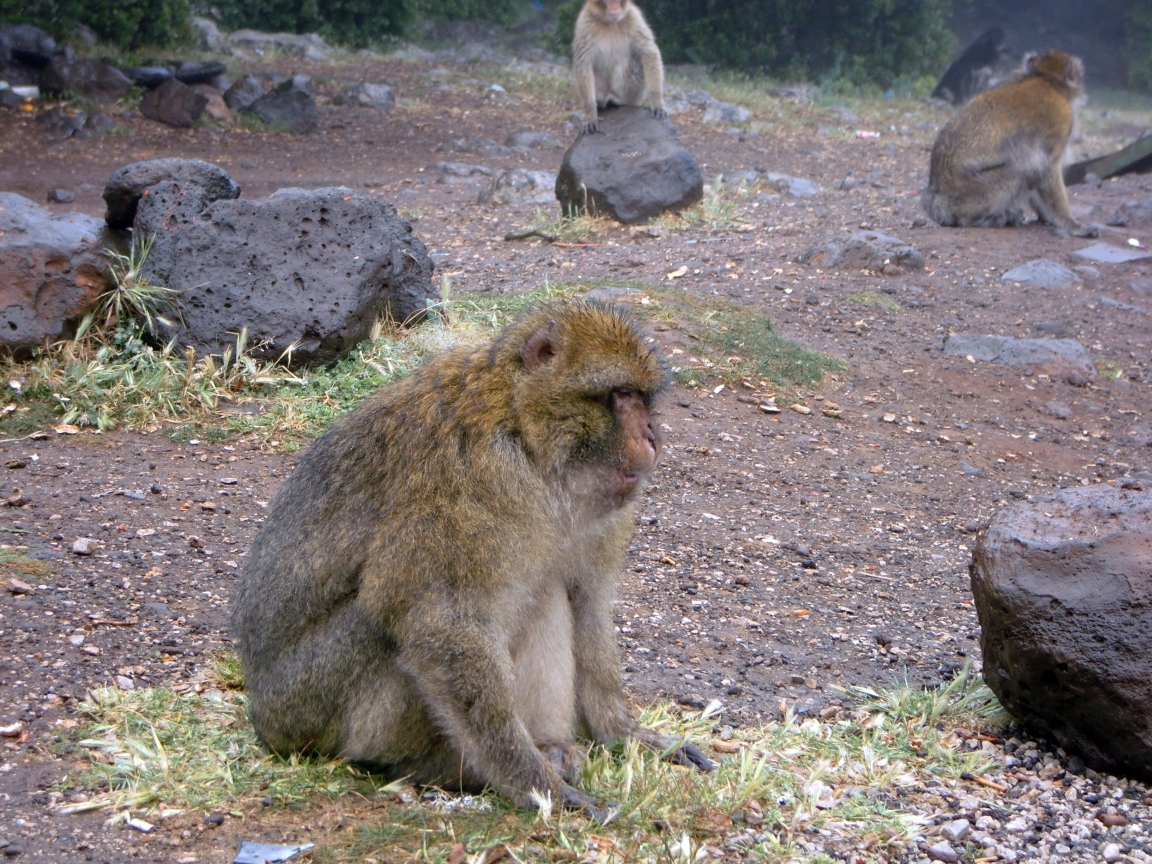
Barbary macaques live wild in these forests, but close roadside encounters have been damaged by tourist feeding. Peer-reviewed research in Ifrane National Park links provisioning with higher stress and other negative health effects; close contact also creates disease-transmission risk. Watch quietly from a distance, keep food out of sight, and never feed, touch or pose with a macaque.
Treat Dayet Aoua as condition-dependent. Although older tourism material promotes a full lake and boating, reporting through February 2026 found that significant water had not yet returned after years of drought despite heavy rains. Check current water conditions before making it the focus of your day. In winter, snow and mountain road conditions can change the route.
8. Choose the Right Sefrou Itinerary
- Three hours: old walls and gates, medina lanes, Oued Aggai and a stop at Bab Lamqam
- Half day: add the mellah and Jewish heritage with a knowledgeable local guide, or walk toward the cascade if access and water conditions are good
- Full day: Sefrou in the morning, lunch, then Bhalil's lanes and a pre-arranged private cave-house visit
- Two relaxed days: spend one day on Sefrou and Bhalil, then a separate car-and-driver day for Ifrane, Azrou and the cedar forest
- June visit: allow extra time for the UNESCO-recognized Cherry Festival, but check the announced dates because the program changes each year
9. When to Go
- March to May: green countryside and the best chance of stronger water flow; pack for changeable rain
- Late May to June: cherry harvest atmosphere and usually the festival period; dates and orchard access vary
- July to August: start walks early, rest through the hottest hours and carry more water
- September to November: comfortable walking weather and a quieter countryside
- December to February: cool or wet in Sefrou and potentially snowy around Ifrane and Azrou; check roads before a mountain day
10. Practical Advice for International Visitors
- Transport: a car or arranged driver is simplest for Sefrou–Bhalil and essential for a flexible Ifrane–Azrou loop; grand taxis are useful but do not operate like private door-to-door taxis
- Guides: independent medina walking is possible, but Jewish heritage, cave homes, artisan introductions and hillside routes are much better with a trusted local introduction
- Money: carry Moroccan dirhams in small notes for cafés, market purchases, guides and any locally collected access charge; do not depend on cards
- Clothing: choose modest, comfortable clothes, sun protection and shoes with grip; bring a warm layer for the Middle Atlas even when Sefrou is hot
- Photography: ask before photographing people, workshops, homes, cemeteries or religious spaces; an invitation to enter does not automatically include permission to photograph
- Accessibility: the medina has uneven paving, Bhalil has steep steps, cave homes may have low ceilings and the cascade path can be damp; discuss mobility needs before booking a tour
- Connectivity: download your map before leaving Wi-Fi, but use local directions for the waterfall, caves and hillside paths because map pins and access points may be inaccurate
- Current information: confirm opening access, market timing, waterfall conditions and mountain roads with your accommodation on the same day
11. What Tripadvisor Reviews Can—and Cannot—Tell You
Tripadvisor is useful here for discovering repeated visitor themes: Sefrou feels calm after Fez, artisan encounters become richer with a guide, the cascade is small and variable, and Bhalil is most memorable when a resident explains a private cave home. It is not reliable for precise hours, fees or rankings because several Sefrou attractions have only one to three reviews, the Jewish heritage appears under overlapping listings and the nearby results mix in businesses from Fez.
The most useful review describes a local guide introducing a traveler to weavers, blacksmiths, artisans and other residents. Another calls the medina a relaxed rural alternative to Fez and recommends suitable footwear, time for the souk and tasting local food. Those practical patterns are incorporated throughout this guide without presenting isolated five-star scores as broad consensus.
We therefore do not copy Tripadvisor's numbered attraction order or platform opening times. Use reviews to understand the character of an experience, then verify logistics locally—especially for the waterfall, synagogue, cemetery, cave-house visits and heritage buildings with controlled access.
- Useful signal: calm medina atmosphere compared with Fez
- Useful signal: a knowledgeable guide can introduce working weavers, blacksmiths and craftspeople
- Useful signal: comfortable footwear, market time and local food improve the day
- Weak signal: five-star ratings based on only one or two contributions
- Ignore: nearby Fez attractions automatically mixed into the Sefrou results
12. Where to Base Yourself
Staying in Bhalil places Sefrou's medina about 15 minutes away by car while keeping you close to village walks and cave-house introductions. Dar Zaytoun is a five-room guesthouse with a pool and can help guests plan local transport, guides and realistic day routes. Fez remains reachable for a day visit, while the quieter setting makes early Sefrou starts and countryside evenings easier.
Frequently Asked Questions
Is Sefrou worth visiting?
Yes, especially if you value living heritage more than monumental sights. Sefrou combines a compact walled medina, Muslim and Jewish history, local crafts, the Oued Aggai, nearby Bhalil and easy access to the Middle Atlas, with far fewer visitors than Fez.
How much time do I need in Sefrou?
Allow three to four hours for the walls, medina, river and artisan area. A full day is better if you want the cascade and a pre-arranged Bhalil cave-home visit. Keep Ifrane and Azrou for a separate day.
How far are the Sefrou waterfalls from the town center?
Allow roughly 30 minutes on foot from the edge of the medina, depending on your starting point and which access route is open. Flow is seasonal, and access arrangements or a local charge can change, so check on the day.
What day is the souk in Sefrou?
Thursday is Sefrou's traditional weekly market day. Confirm locally before planning a trip around it, especially near public or religious holidays. Online claims about Bhalil's market day conflict, so this guide does not present an unverified day.
Do I need a guide in Sefrou?
Not for a basic medina walk. A trusted local guide is strongly recommended for Jewish heritage sites, artisan introductions, Kahf Al Moumen, private cave homes and countryside routes because access and interpretation matter more than signage.
Can I enter a cave house in Bhalil?
Only by arrangement or invitation. Cave houses are private family homes, not public monuments. Ask your accommodation or a local guide to arrange a respectful visit and clarify any guide fee or household contribution beforehand.
Is Sefrou suitable for travelers with limited mobility?
Parts of the modern town and medina entrances may be manageable, but uneven paving, steps, steep Bhalil lanes, low cave ceilings and damp waterfall paths create barriers. Discuss a shortened, vehicle-assisted route before arrival.
Can I visit Sefrou, Bhalil, Ifrane and Azrou in one day?
It is technically possible with a private driver but would be rushed. Pair Sefrou with Bhalil for one full day, then give Ifrane and Azrou a separate day so you can walk in the forest and stop safely.
Should I feed the monkeys near Azrou?
No. Research in Ifrane National Park links tourist feeding with higher stress and other health problems, while touching and close contact can spread disease. Observe quietly, keep food hidden and maintain distance.
Is Dayet Aoua lake full again?
Do not assume so. Reporting in February 2026 said significant water had still not returned despite abundant rain after years of drought. Ask locally for current conditions before planning boating or a lake-focused stop.
Where should I stay when visiting Sefrou?
Bhalil is a convenient quiet base about 7 km away. Dar Zaytoun offers five traditional rooms, breakfast and a pool, with Sefrou normally around 15 minutes away by car and local help for transport and guided visits.