Travel Guide
Bhalil Cave Houses: History, People & Complete Visitor Guide
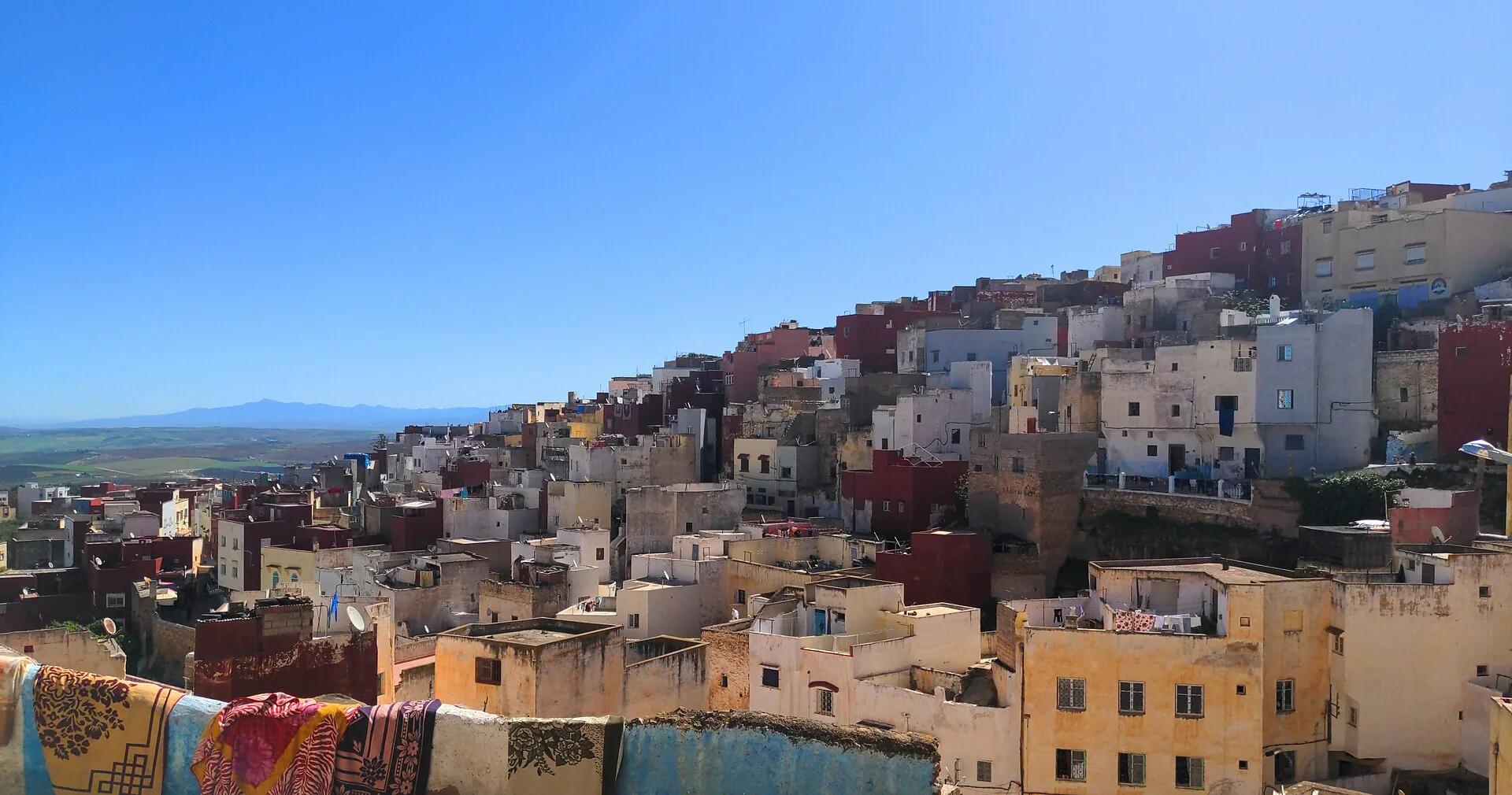
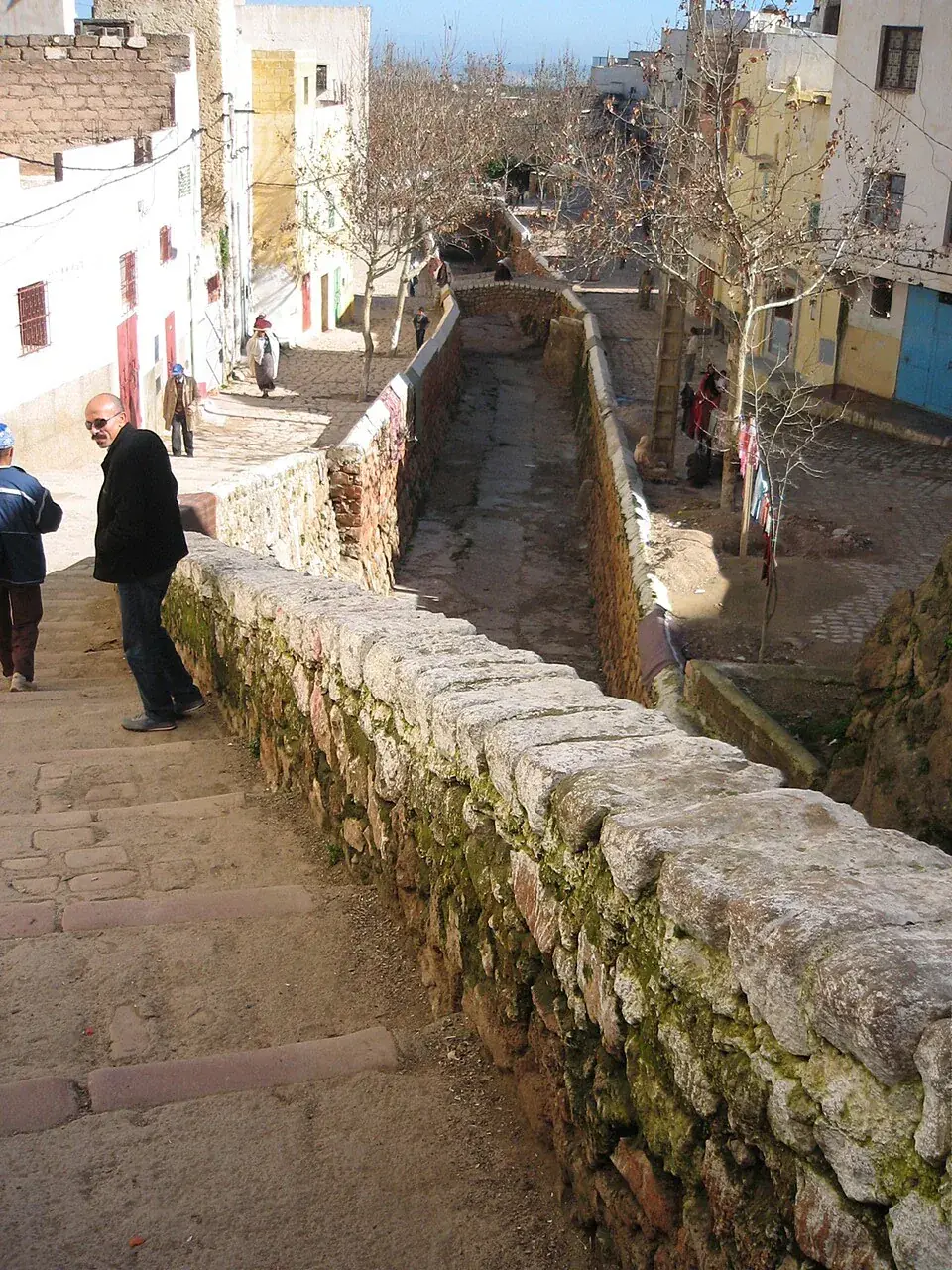
Bhalil is a small Moroccan town in Sefrou Province, roughly 25–30 km south of Fez and only a few kilometres from Sefrou. Its old quarters occupy two limestone cliffs around the Aïn Kbir spring, where rock-cut rooms, conventional houses, mosques, stepped lanes and olive groves form one connected landscape.
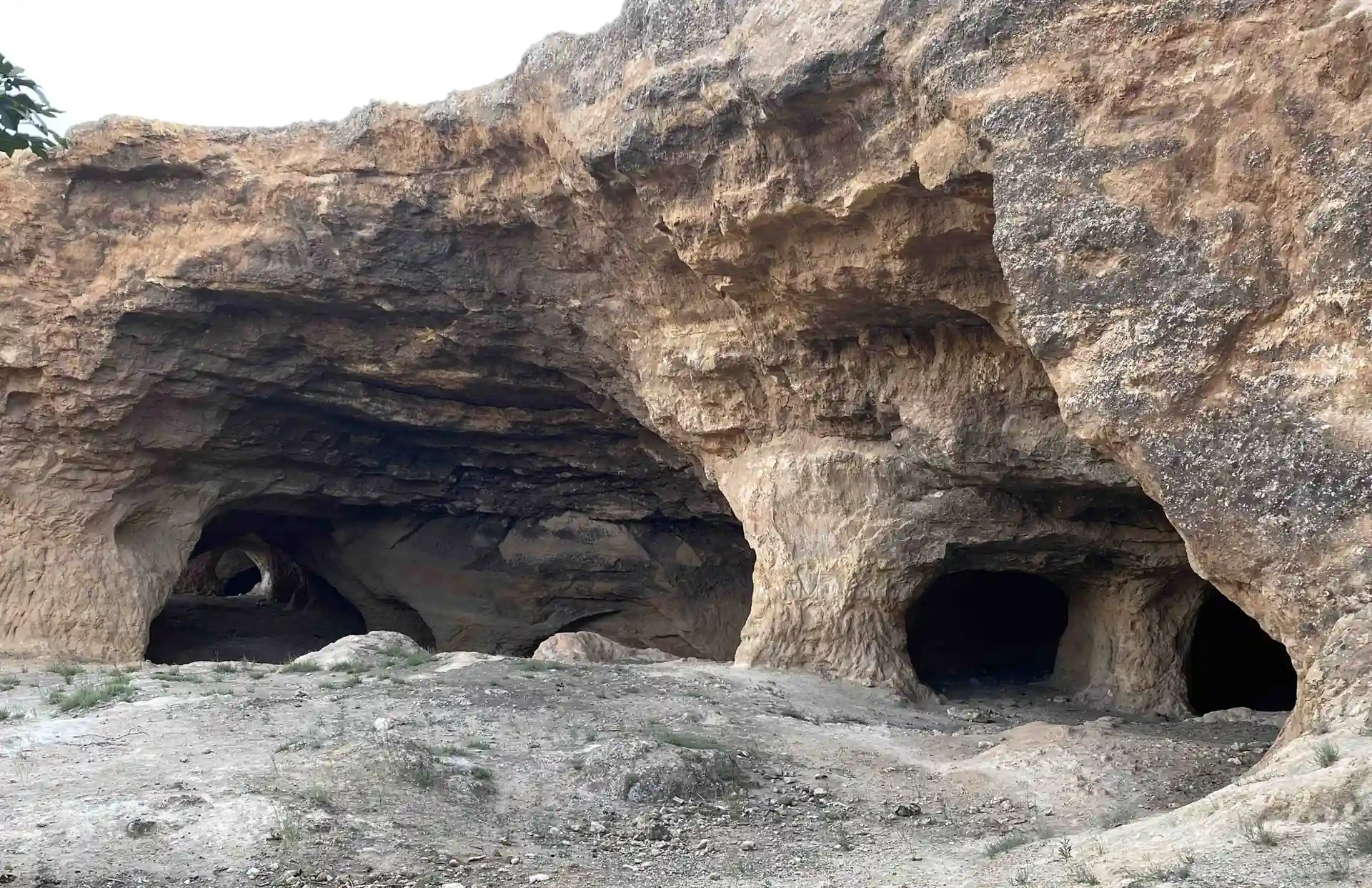
The famous 'cave houses' are not a single museum district. They are privately owned spaces in many conditions: family living rooms, cellars, stores, animal shelters, unused cavities and recently renovated guest or cultural spaces. Local estimates suggest several hundred caves and cave-like rooms, but there is no complete public inventory and only a fraction are normally open to visitors.
This guide treats Bhalil as a living community rather than a curiosity. It separates documented history from oral tradition, explains how the homes work, introduces the people and livelihoods around them, and helps international visitors explore with context and respect.
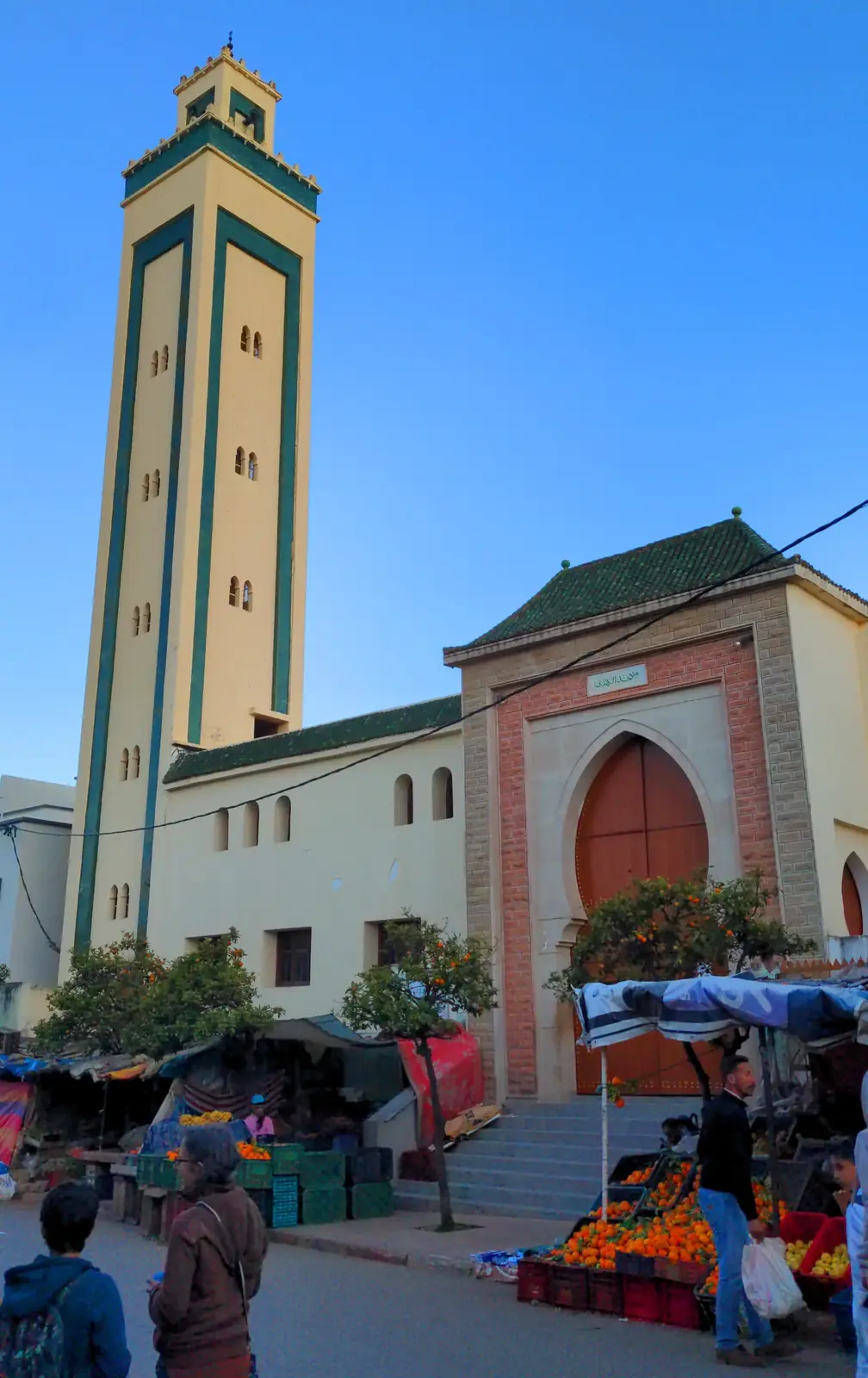
Bhalil at a Glance: Cliffs, Spring and Historic Quarters
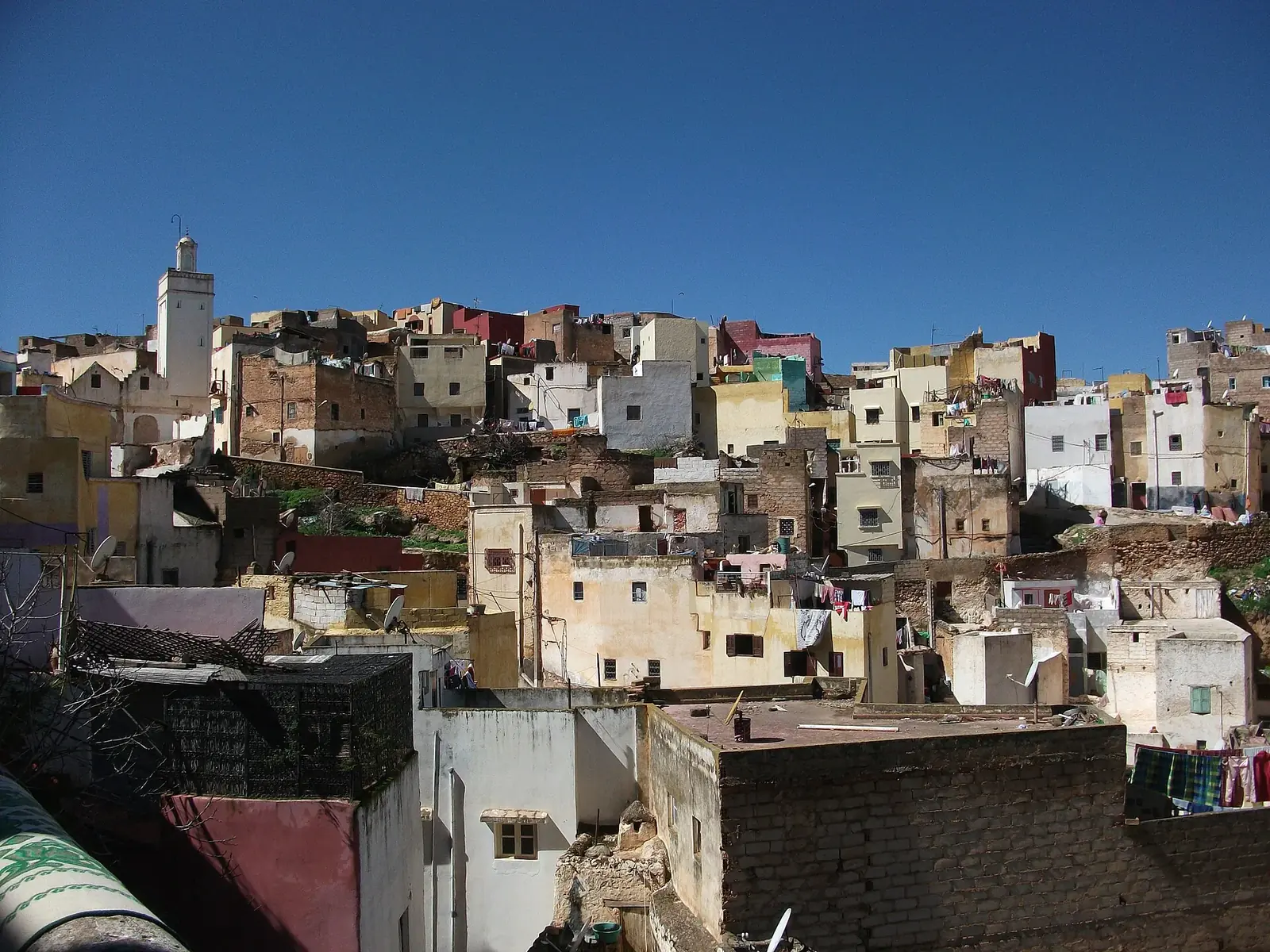
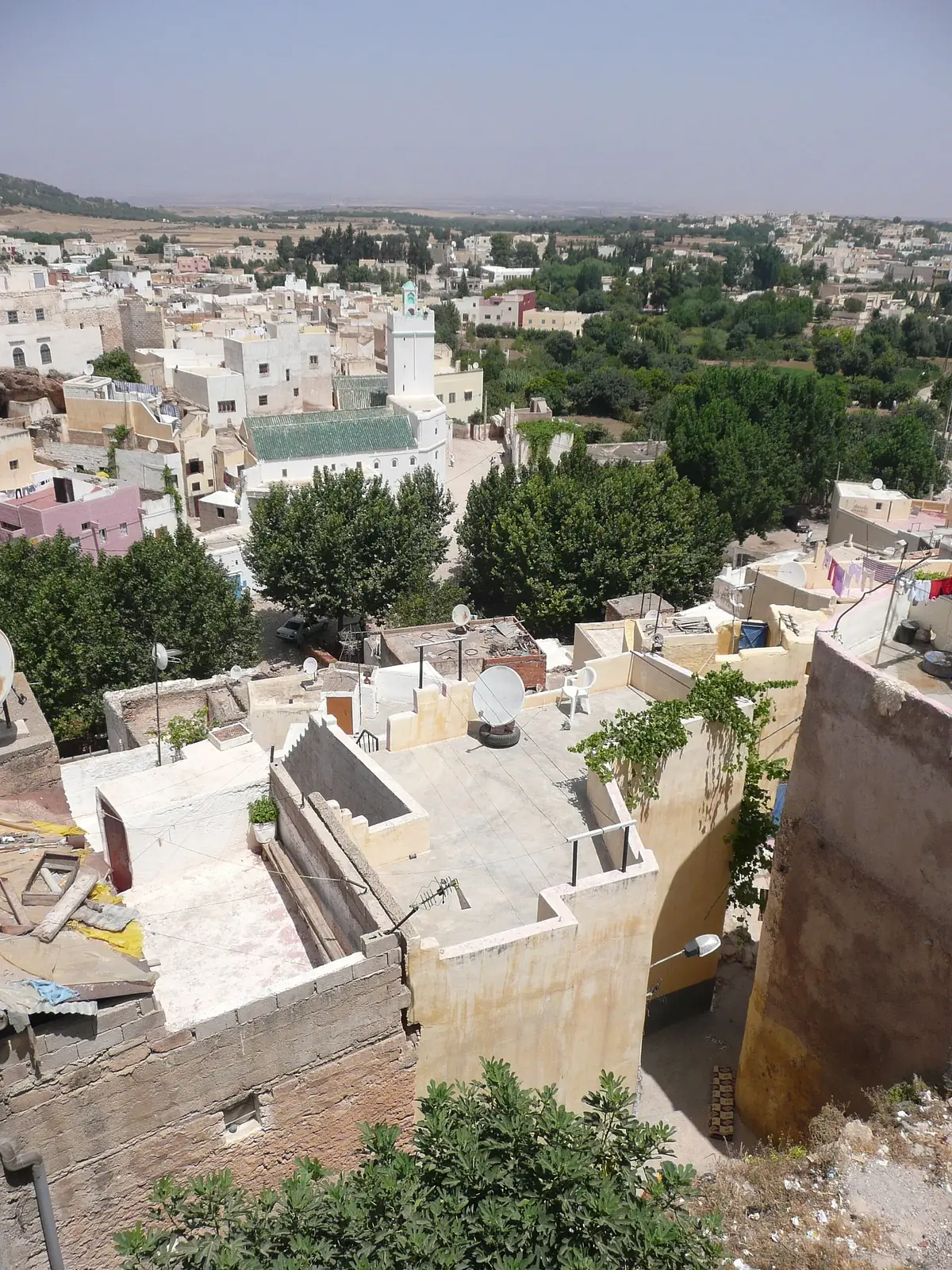
Bhalil stands where the Fez-Saïs plain meets the first Middle Atlas foothills. The old settlement developed around Aïn Kbir, the large spring at the bottom of a narrow valley between two dolomitic-limestone cliffs. Water, defensible slopes and workable rock all helped make this a practical place to settle.
Four names help visitors read the old town: Khandaq lies in the central valley; Aghezdis occupies the upper southern side; Ramla spreads across the north-western height; and Kasbah lies toward the north-east. Msila and Rkiba are later extensions. The boundaries are not tourist zones, but they explain why some streets end at exposed rock while others run above buried cave rooms.
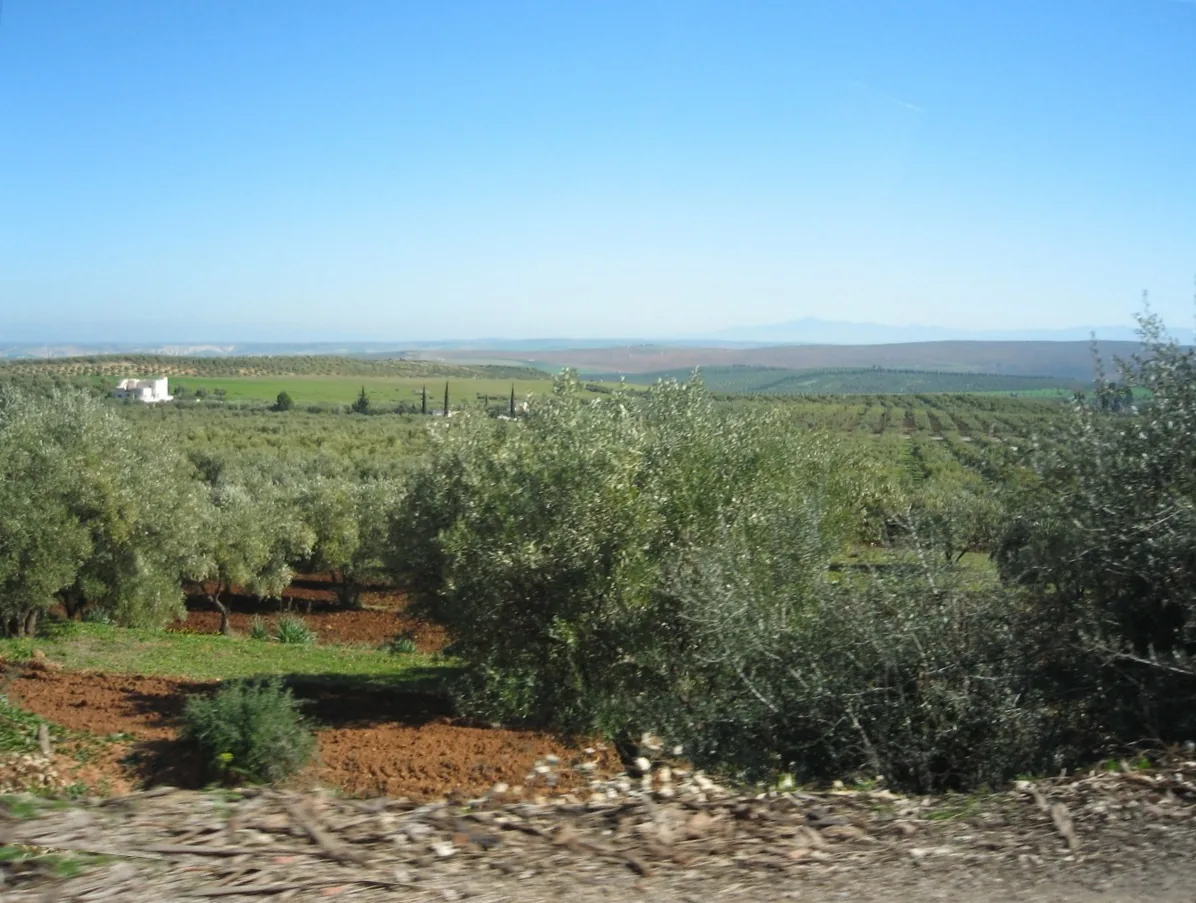
Olive trees surround much of Bhalil, especially on the lower, more fertile ground. To the south, the Oued Aggay valley supports market gardens; to the north, views open across the plain toward Fez. The result feels both urban and rural: a compact town whose daily life remains closely connected to springs, fields and seasonal harvests.
History: What We Know — and What Remains Uncertain
Bhalil is ancient, but no reliable source establishes an exact founding date or identifies a single first community. Bhalil Village's local history project is unusually frank on this point: oral accounts, scattered surface traces and limited archaeological work do not yet prove the popular claims that the settlement is Roman, fourth-century, pre-Islamic Christian or originally Jewish. Those stories belong to local memory, not settled history.
The strongest historical explanation for the name links Bhalil to the Bahloula or Bani Bahloul, a Zenata Amazigh group mentioned in regional histories. A more affectionate popular reading connects the name to the Arabic phrase bahā' al-layl, 'the charm of the night.' Visitors may hear other religious or mocking folk etymologies; they should be understood as legends rather than evidence.
The old settlement once had fortifications, although only fragments and traces of entrances remain. On 5 June 1911, before the French Protectorate was formally established in 1912, the area saw the Combat of Bhalil between French columns and local resistance. Contemporary reports survive mainly in colonial French newspapers, so their language and casualty claims require caution.
Morocco's Ministry of Culture records the Site of El-Bhalil as nationally protected by an order dated 8 February 1950 and published on 8 March. Later that year, a destructive flood on 25 September damaged the central ravine and public buildings; subsequent works altered the area around the spring, bridges and public facilities. Heritage in Bhalil is therefore not untouched—it has been repaired, rebuilt and adapted repeatedly.
How a Bhalil Cave House Works
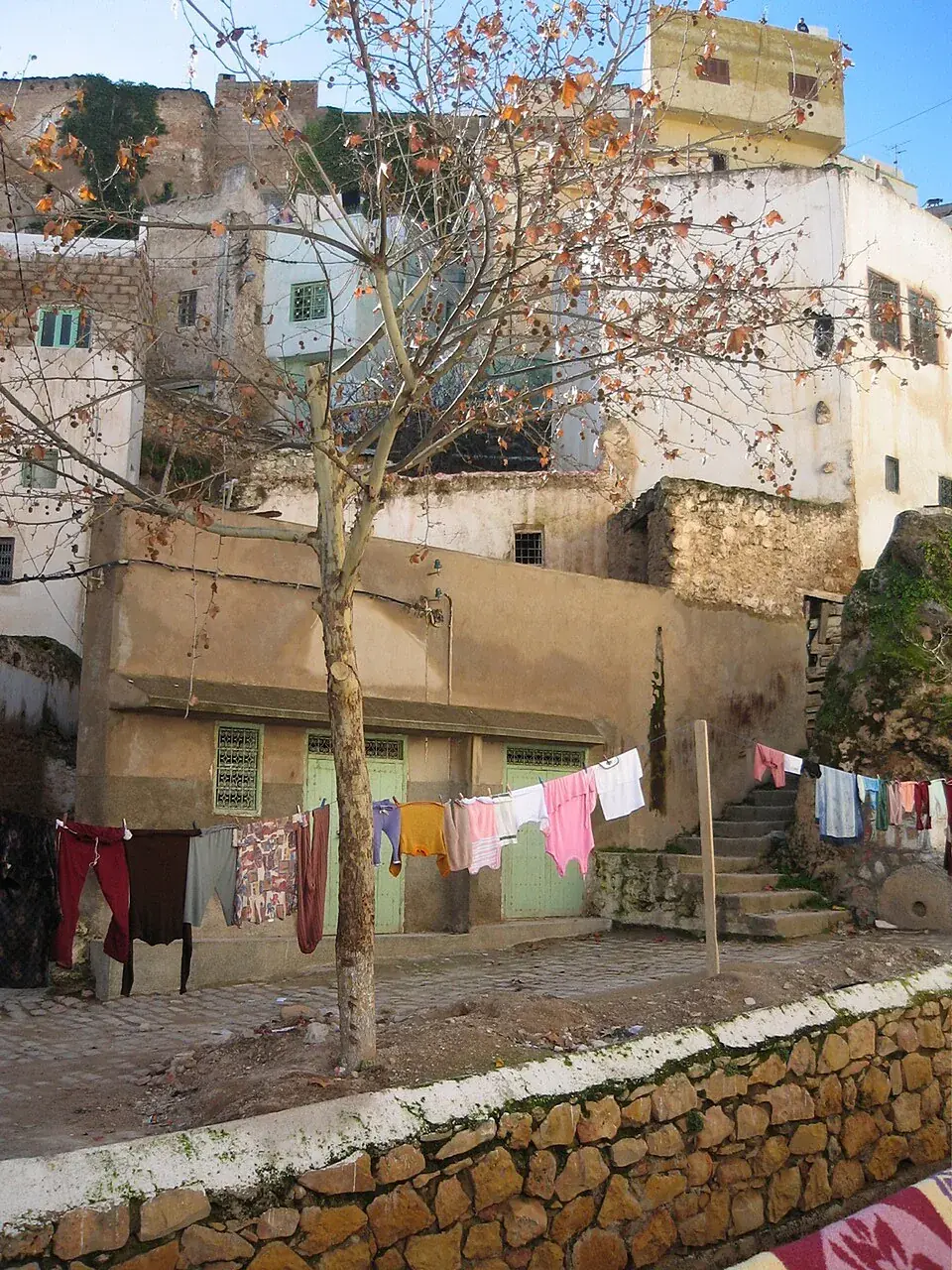
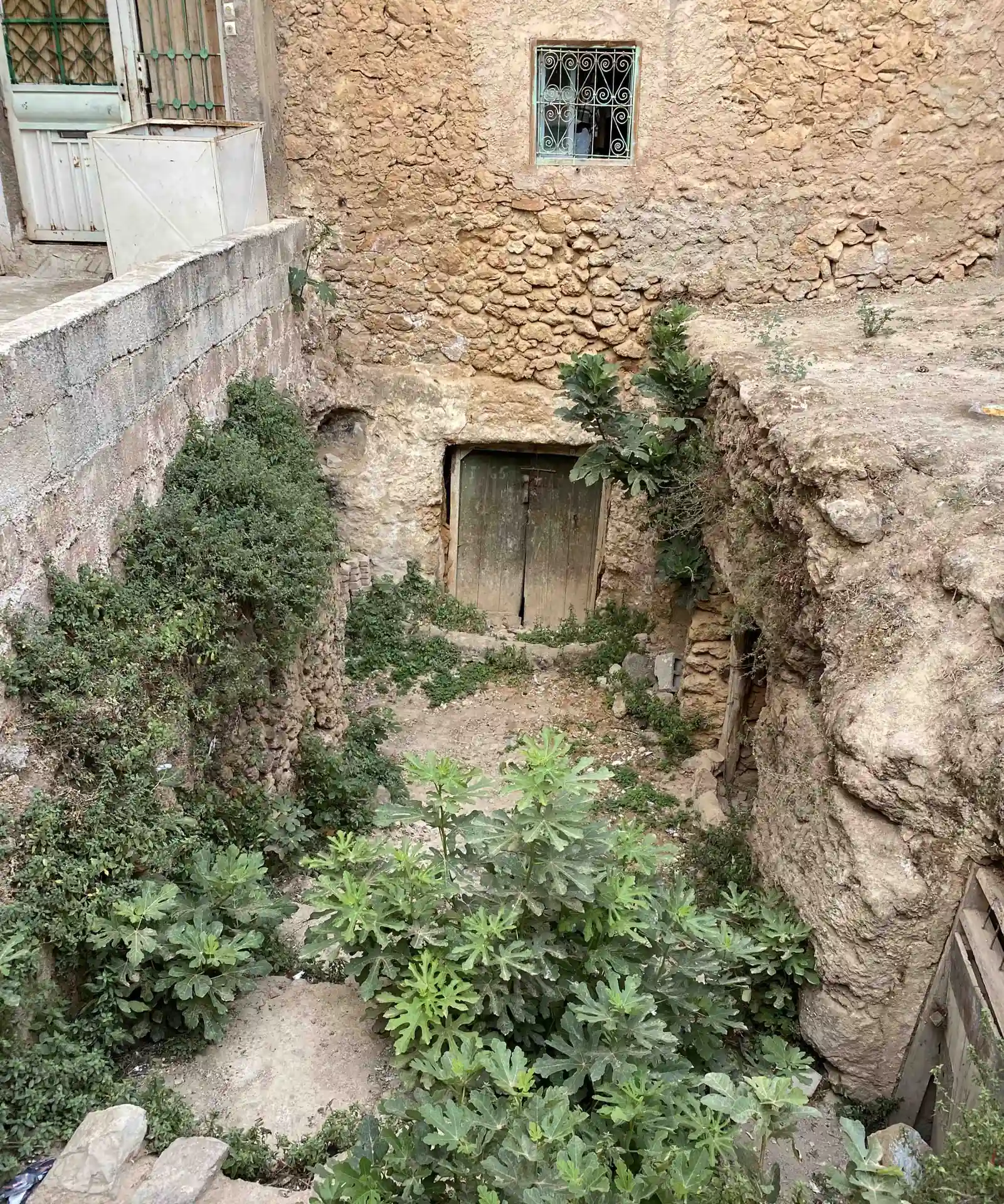
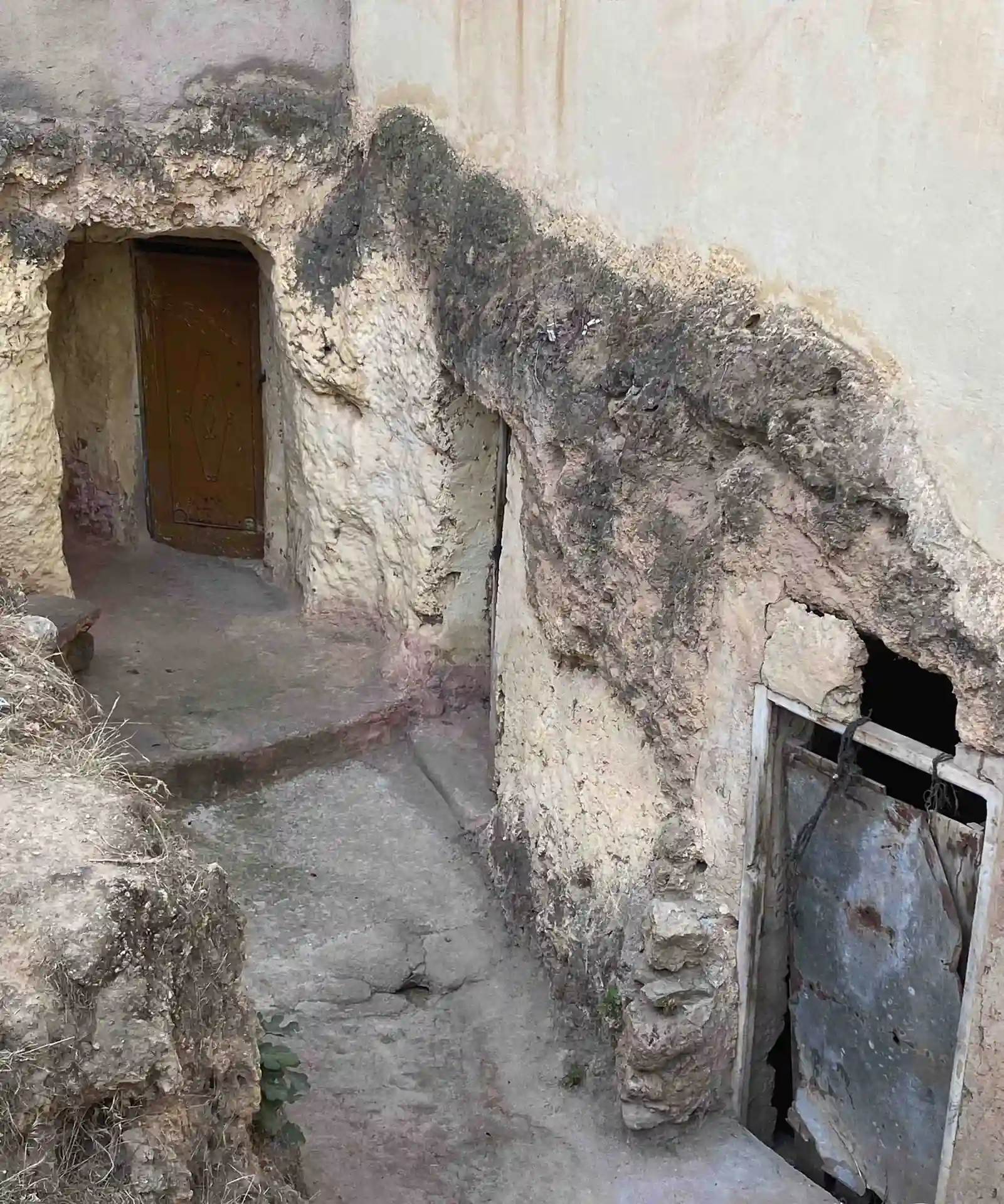
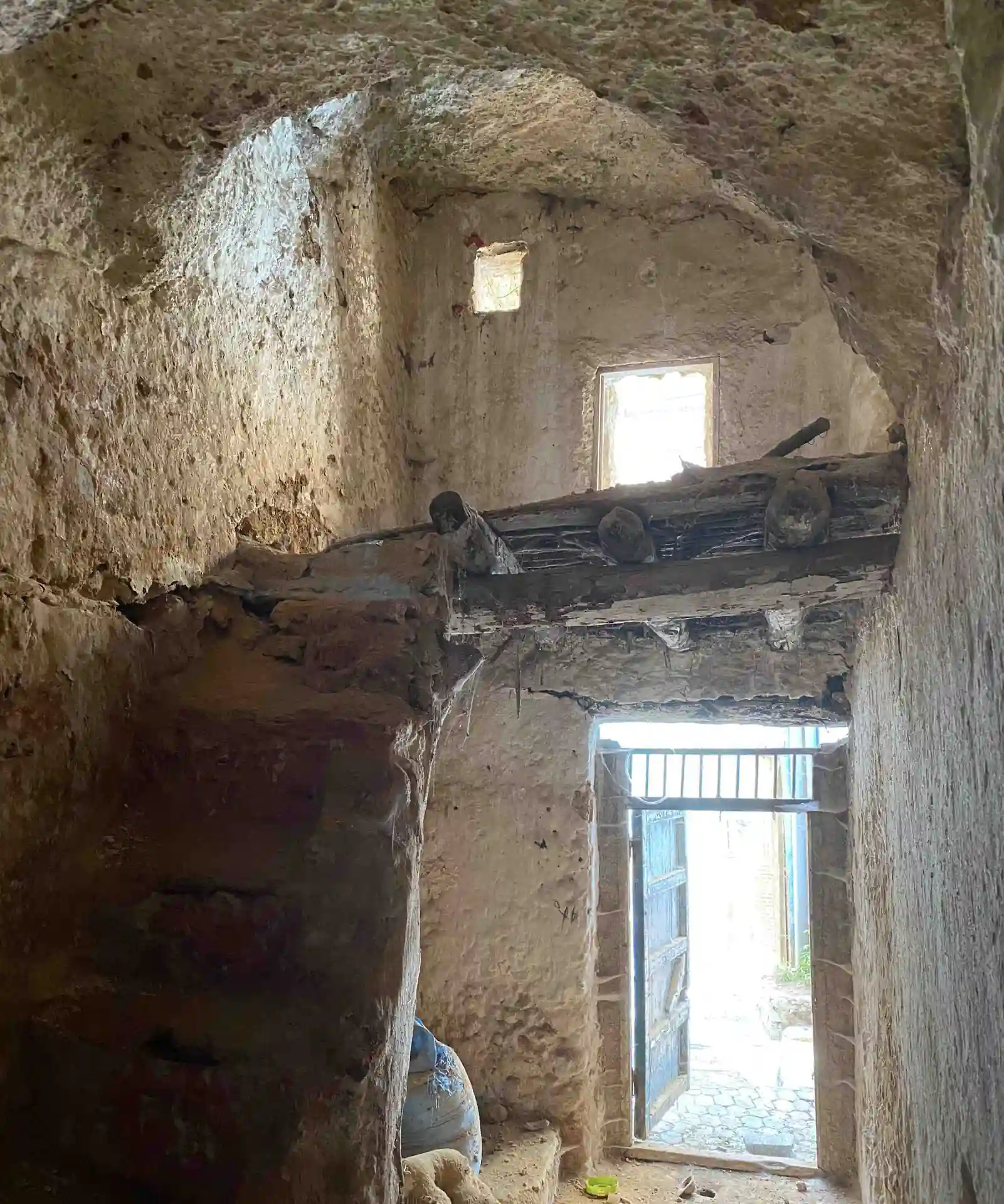
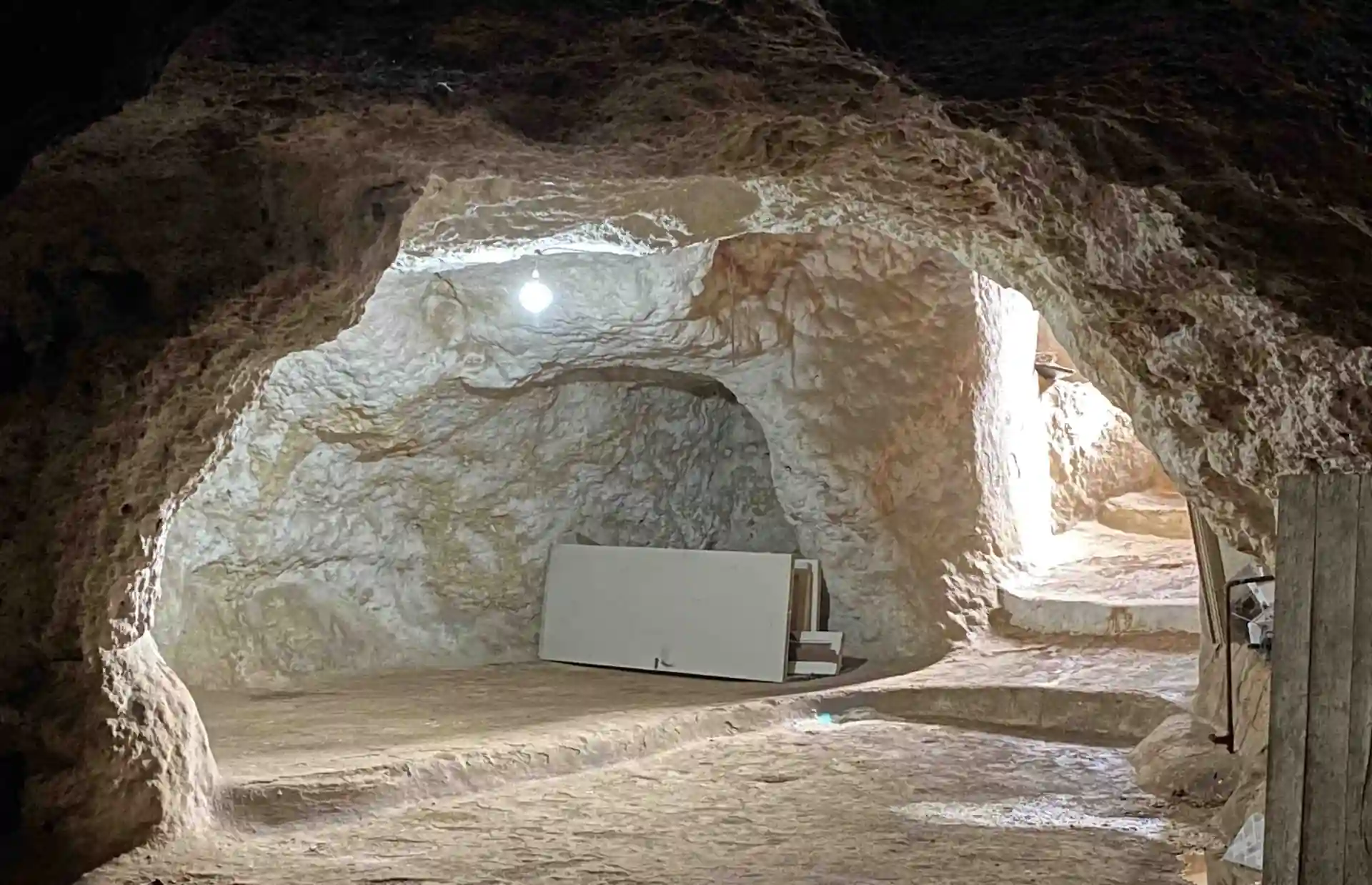
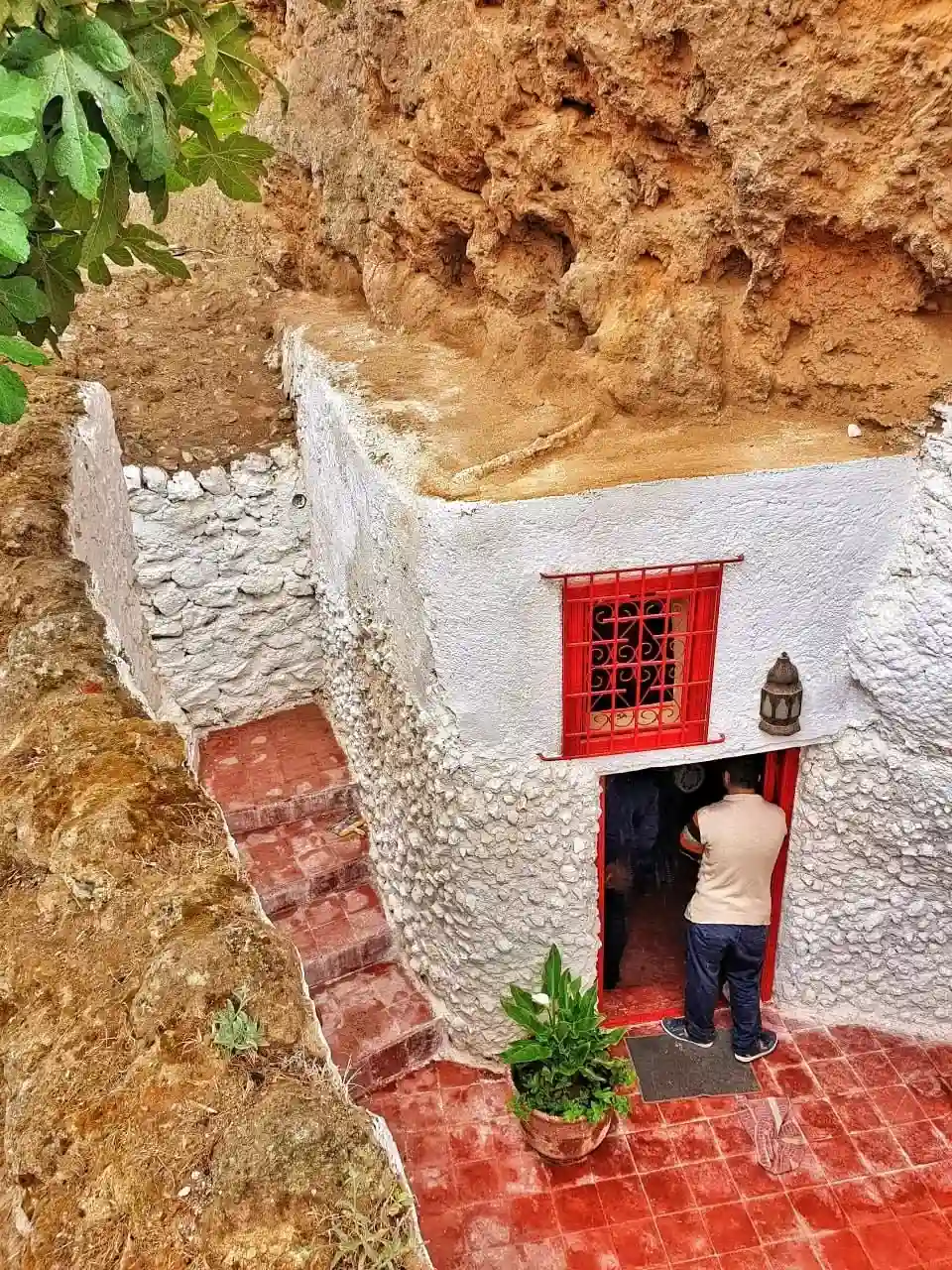
The French term maison troglodyte describes a house that incorporates space dug into rock. In Bhalil, the forms are varied. Some rooms use a natural cavity enlarged by hand; some are blind cellars entered from a lane or conventional house; some are long single rooms; and others connect several chambers through carved passages.
Many dwellings are hybrid structures. A family may have built a masonry façade, courtyard or upper floor in front of and above an older cave. On the cliff edges, expansion often went deeper into the rock; on flatter parts of Aghezdis and Ramla, construction more often rose over a buried cave or cellar. A doorway alone rarely reveals the full plan.
Rock mass moderates rapid outdoor temperature changes, making many interiors feel cooler in summer and less exposed in winter. It is not accurate to promise one temperature for every cave: depth, openings, orientation, ventilation and renovation all matter. Humidity, stale air, wastewater drainage, lighting and structural maintenance can be serious challenges, especially in deep or little-used spaces.
Published local estimates range from about 500 to 600 caves and cave-like rooms. The difference is understandable because there is no complete public inventory and definitions vary. Some spaces are lived in, some store food or possessions, some once sheltered animals, and others are unused or undergoing renovation.
Inside Living Cave Homes: Hospitality and Privacy
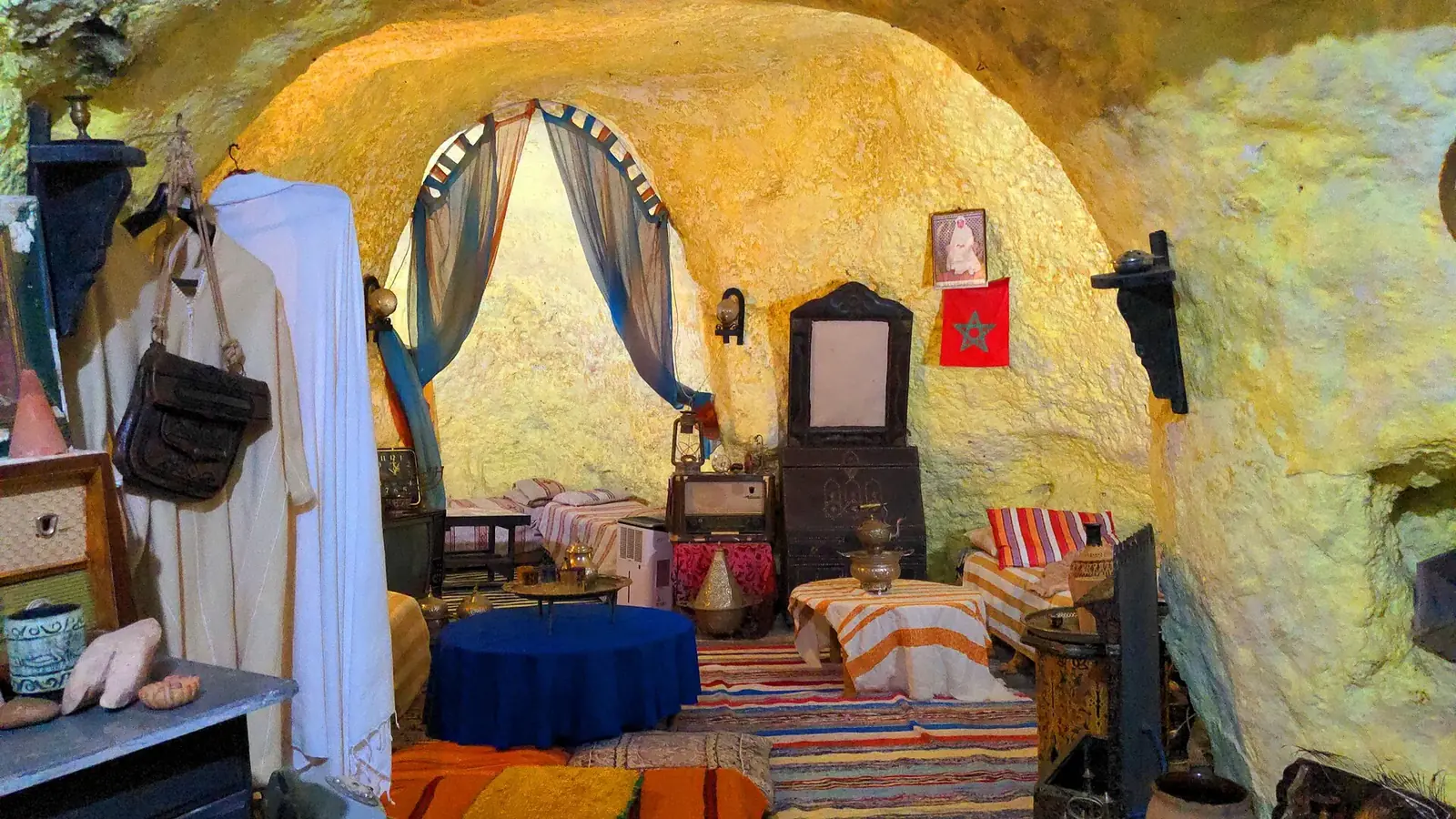
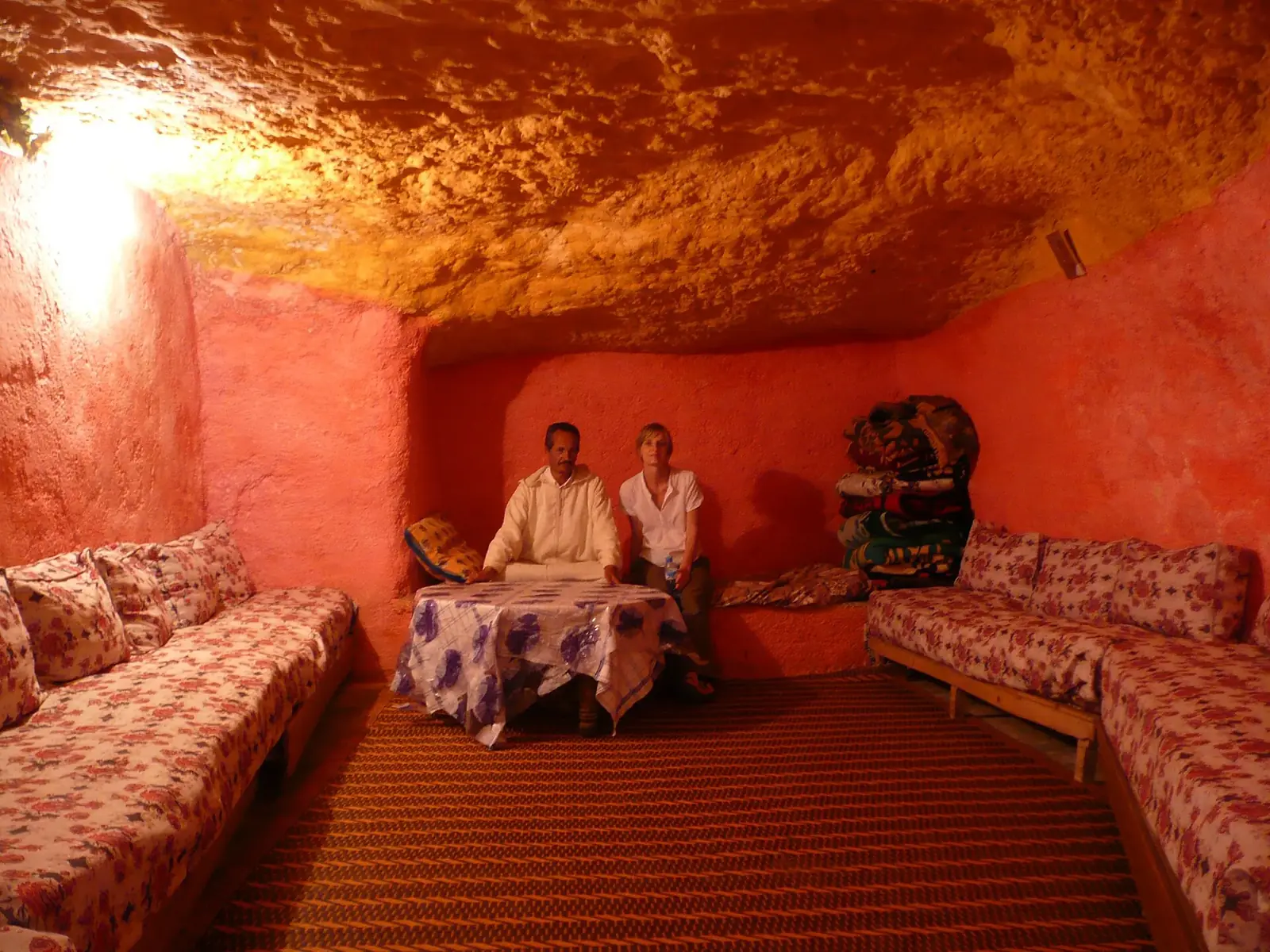
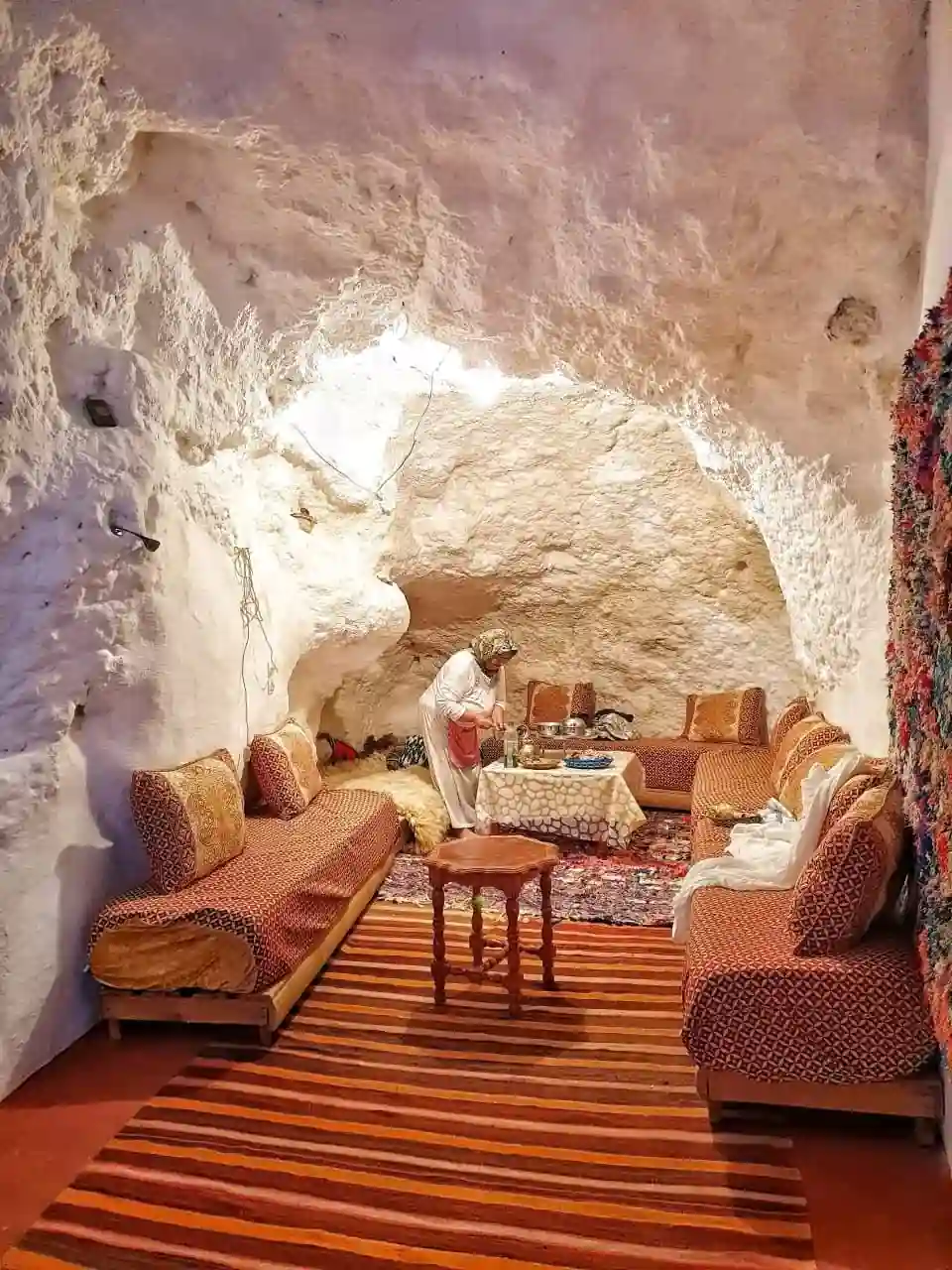
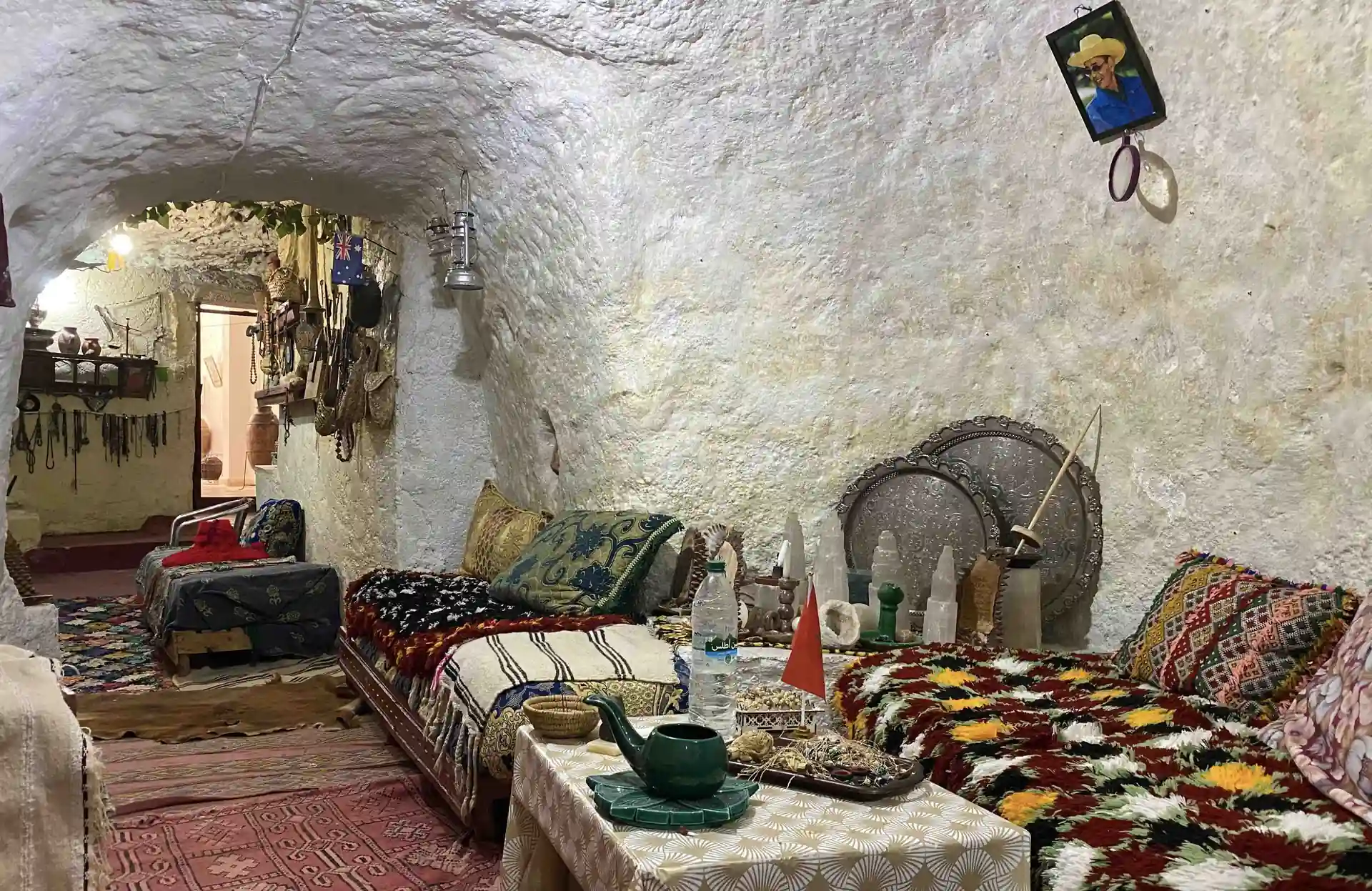
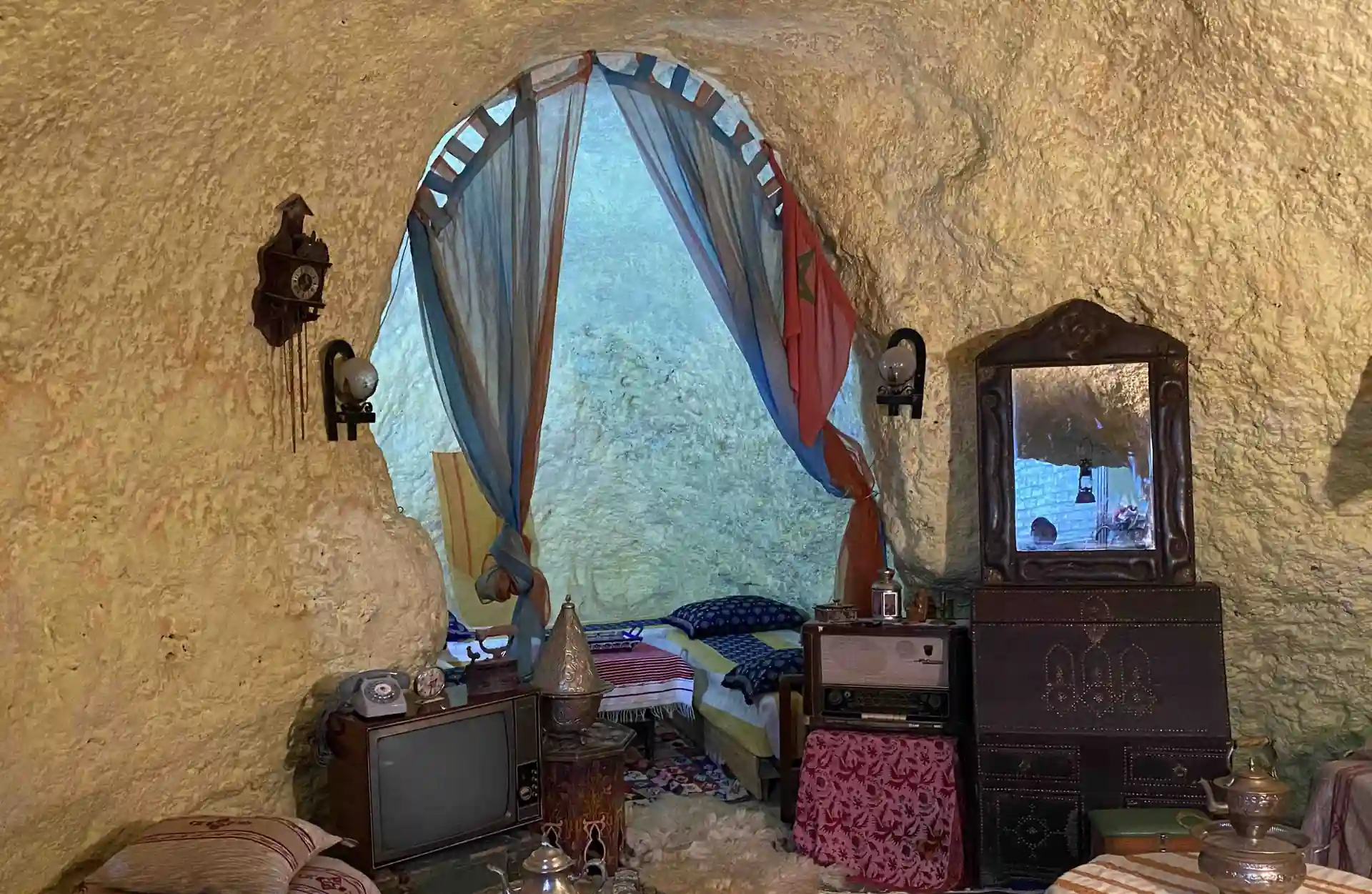
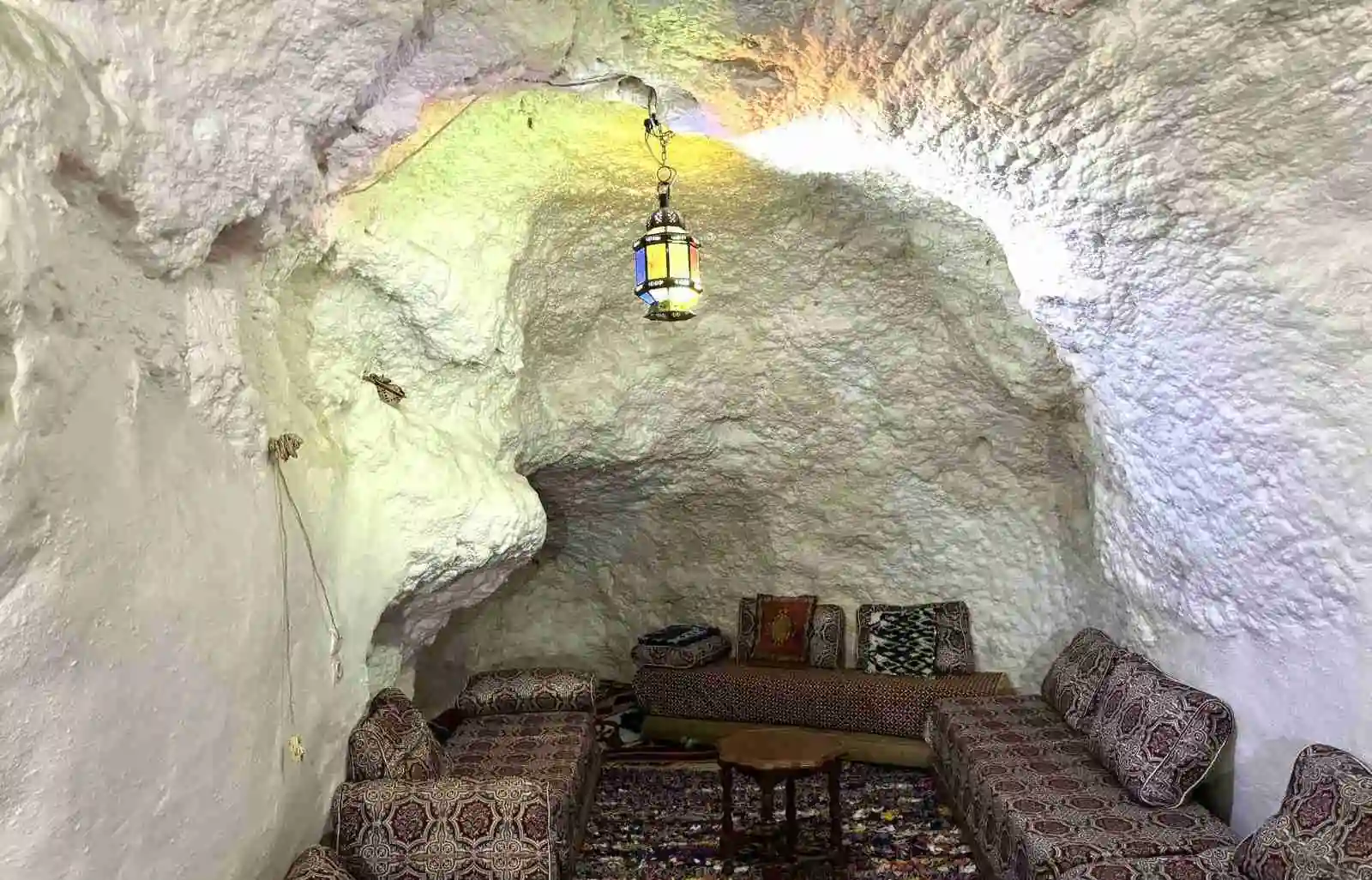
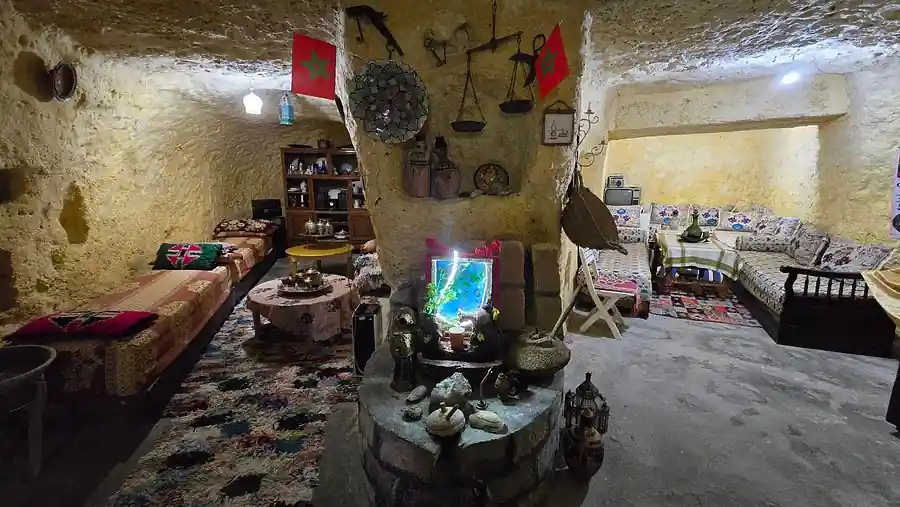
A furnished cave room can feel intimate and domestic: rugs soften the floor, long benches line the walls, niches hold household objects and a tea table occupies the centre. Electricity and water may have been added, while the irregular ceiling and tool-marked rock remain visible. No two interiors are alike.
Some residents or locally run cave spaces receive visitors, often with tea and conversation. This is hospitality inside a private home, not automatic public access. Availability changes with family commitments, religious observance, renovation and the season; arriving with a trusted local host or guide makes the visit clearer for everyone.
A good encounter is based on consent and fair expectations. Agree beforehand whether the visit includes tea, storytelling, a craft demonstration or a contribution to the household. Never walk into an open doorway, photograph residents or post identifiable images without permission.
- Arrange entry through a resident, local guide or your accommodation rather than assuming a home is open.
- Ask before photographing people, children, interiors, religious objects or personal possessions.
- Dress and behave as you would when visiting a family home in a conservative small town.
- Agree any fee or contribution before the visit; do not treat hospitality as a performance that must always be available.
- Follow the host's lead about shoes, seating, food and which rooms may be entered.
People, Women's Silk Buttons and the Local Economy
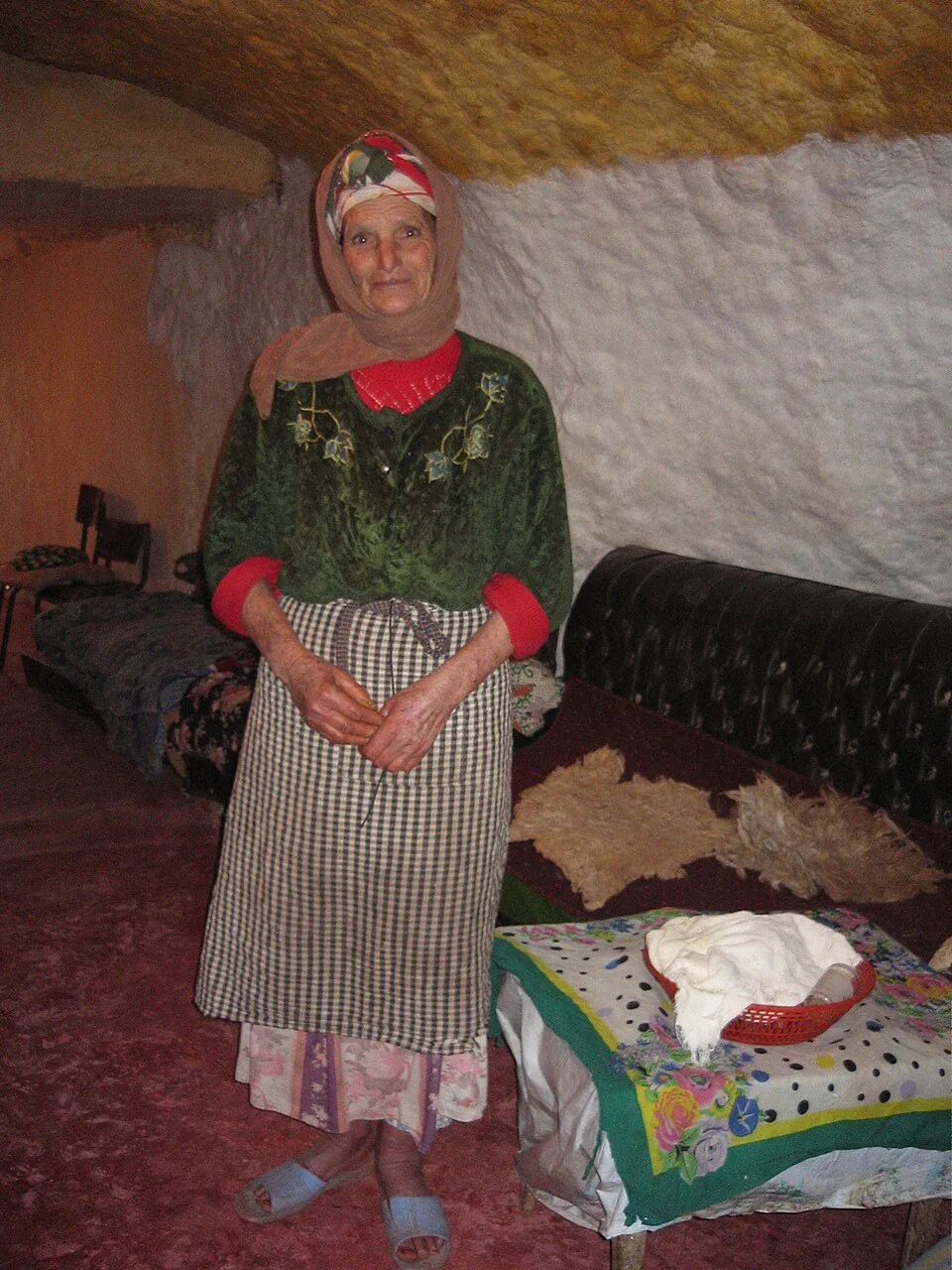
People from Bhalil are called Bahloulis and Bahlouliyates. The town has grown beyond its old walls as families moved, returned from work abroad, built modern homes and welcomed newcomers from surrounding areas. Cave life is therefore one part of a wider story about migration, work, family property and changing ideas of comfort.
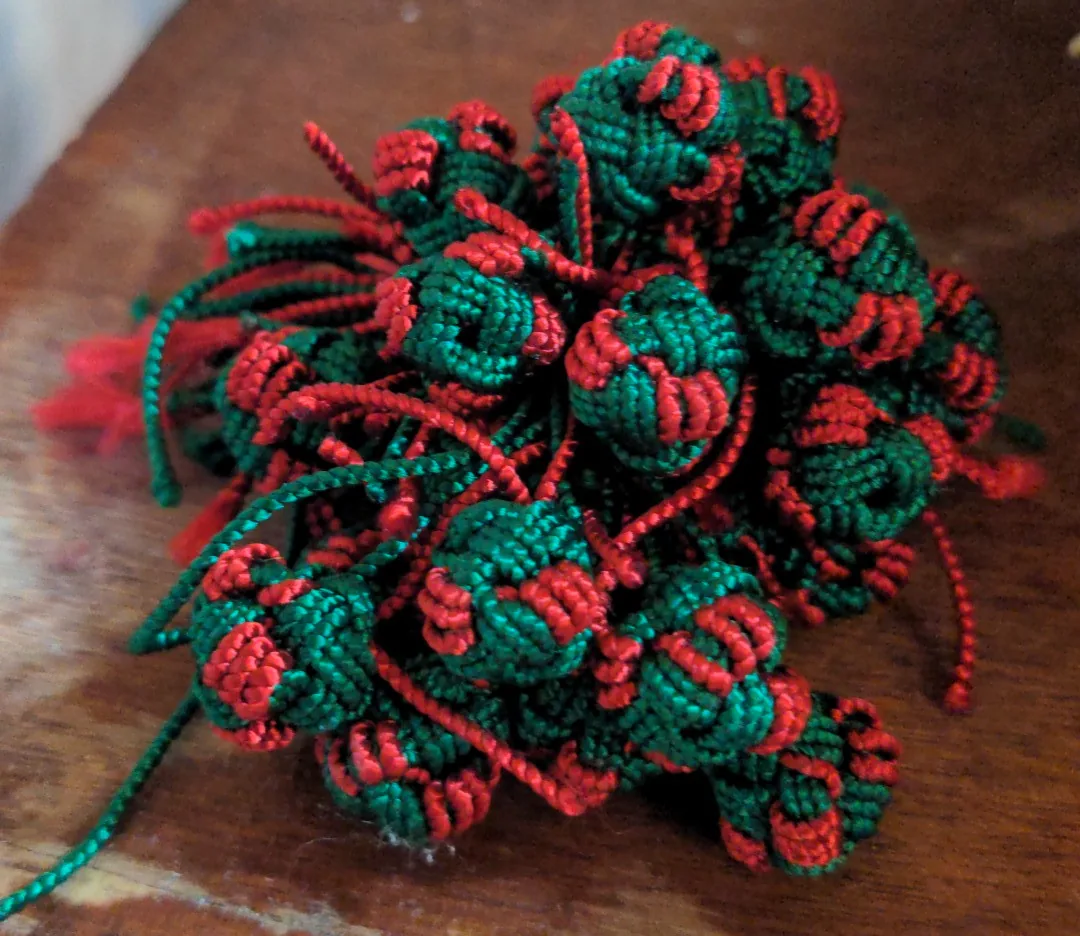
Bhalil and the Sefrou region are known for small hand-knotted buttons used on djellabas and kaftans. Local memory places the expansion of this home-based work among young women around the 1960s—not in a timeless ancient past. The basic materials are silk-like thread and a paper core, shaped with a small rod and needle into different models requiring patience, good light and practiced speed.
Women traditionally worked in small groups at home or outdoors, combining production with household and study responsibilities. The craft provides income, but the maker is only one part of a chain that includes raw-material suppliers, village collectors, intermediaries and garment markets in larger cities. Buying directly from a maker or a transparent cooperative can keep more value close to the skill.
Agriculture remains visible in everyday rhythms. Olive harvests draw labour into the groves in autumn and winter; market gardens in the Aggay valley produce tomatoes, cabbages, peppers, beans and potatoes; figs are associated with the area; and bread, olive oil, mint tea and seasonal produce remain simple anchors of local food.
A Slow Walk Through Old Bhalil
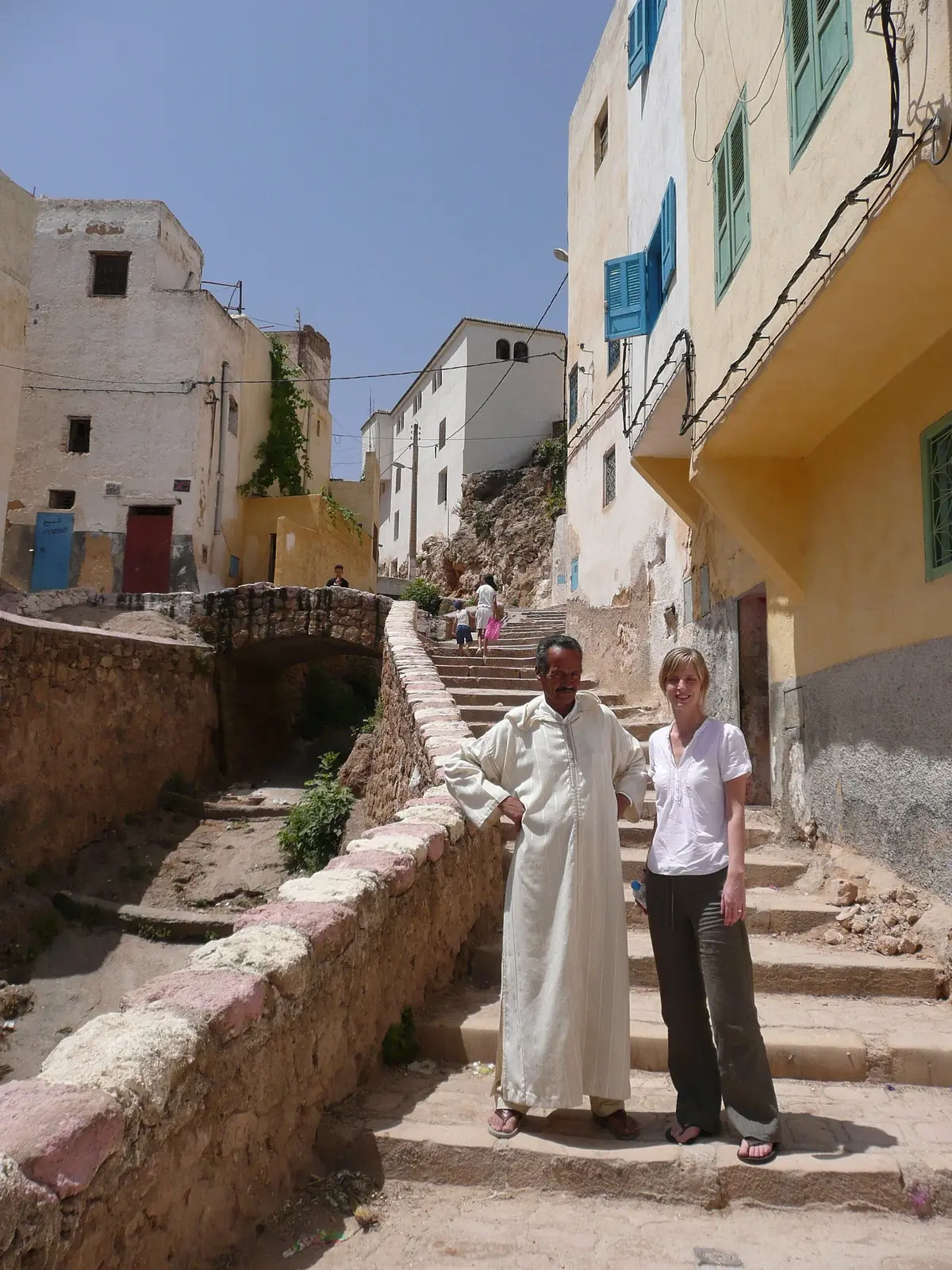
Bhalil rewards a slow, two- to three-hour walk more than a quick photo stop. There is no single formal circuit, and routes change with roadworks, private access and local events. A resident guide is valuable not because the town is impossible to navigate, but because many important details—a cave behind an ordinary door, an old district boundary, a spring or a craft group—are easy to miss.
Start near the central valley and Aïn Kbir, then climb gradually through Khandaq toward the cliff lanes. Continue toward an upper quarter for rooftops and plain views before descending by a different route. Add a prearranged cave-home visit rather than knocking randomly on doors.
- Aïn Kbir and Khandaq: understand how the spring and valley organized the earliest core.
- Cliff-edge lanes: look for exposed rock above doorways and houses built over older cavities.
- Aghezdis, Ramla or Kasbah: compare upper-quarter streets with the lower central ravine.
- Mosques and neighbourhood life: admire exterior architecture and avoid entering prayer spaces unless clearly invited.
- Button makers and small shops: ask before watching closely or photographing work.
- A high viewpoint: finish with the olive belt, Saïs plain and Fez horizon rather than pushing into private rooftops or cemetery ground.


Nature, Views and Nearby Sefrou
Bhalil is not isolated from its landscape. The olive belt is most attractive in soft morning or late-afternoon light, while spring brings greener slopes and clearer mountain views. The Binna and Mimet uplands, the Aggay valley and nearby peaks are working landscapes, not open parks: fields are private, quarries and rough tracks can be hazardous, and longer walks are best arranged locally.
Sefrou lies only a short drive away and makes the natural companion to Bhalil. Its walled medina, Oued Aggay, Jewish heritage, waterfall area and June Cherry Festival provide a different urban history. Combining the two places works well, but a rushed half-day from Fez leaves little time for conversation or a proper cave visit.
For a balanced day, give Bhalil the morning, eat locally or at your accommodation, then continue to Sefrou in the afternoon—or reverse the order in hot weather and return to Bhalil for the cooler evening light.

Conservation: A Living Heritage Under Pressure
Cave houses survive because families continue to own, repair and reinterpret them. Some spaces are being renovated as homes, galleries, tea rooms or guest experiences; others are abandoned because moisture control, sanitation, ventilation and safe structural work cost more than owners can manage. Conservation cannot mean freezing residents in uncomfortable conditions for visitors.
Modern construction above old cavities, inheritance divisions, blocked passages, wastewater, poor ventilation and insensitive alterations can all affect the underground fabric. Outside the centre, limestone extraction also changes the surrounding landscape. Local associations have begun documenting cave types and arguing for consolidation, adaptive reuse and tourism that returns income to owners.
Visitors help most by choosing local guides and stays, paying transparently for real services, buying craft directly where possible, respecting private property and avoiding sensational language about poverty or 'primitive' life. Bhalil's value lies in adaptation and human continuity, not in pretending the town has never entered the present.
Getting There, Best Time and Accessibility
By road, Bhalil is roughly 25–30 km south of Fez and a few kilometres north-west of Sefrou; exact distance depends on your starting point and route. A private car or prearranged transfer is simplest. Shared grand taxis commonly connect Fez and Sefrou, followed by a shorter local taxi or bus ride to Bhalil, but stands, schedules, vehicle types and fares can change—confirm them on the day.
Spring is usually the most comfortable season for green scenery and walking. Autumn brings softer light and the beginning of olive activity; summer midday can be hot even when cave interiors feel cool; winter mornings and evenings can be cold, with occasional rain or snow in the wider uplands. Carry water, sun protection and a warm layer according to season.
The old quarters are not step-free. Expect steep gradients, irregular stairs, narrow passages, low or uneven cave thresholds and limestone surfaces that may become slippery in rain. Travellers with limited mobility should arrange a tailored route and ask a host to select an accessible cave space before setting out.
- Allow at least 2–3 hours for Bhalil alone; a full day is better when combining it with Sefrou.
- Wear shoes with grip and keep both hands free on steep or wet steps.
- Carry small cash because family visits, guides and small shops may not accept cards.
- Do not rely on an unverified weekly-market day; ask locally because schedules and locations can change.
- During Ramadan and religious holidays, confirm opening times, meals and home visits in advance.
- Save your accommodation or driver's contact details; street signs and mobile coverage may not solve every last-lane pickup.
Where to Stay in Bhalil
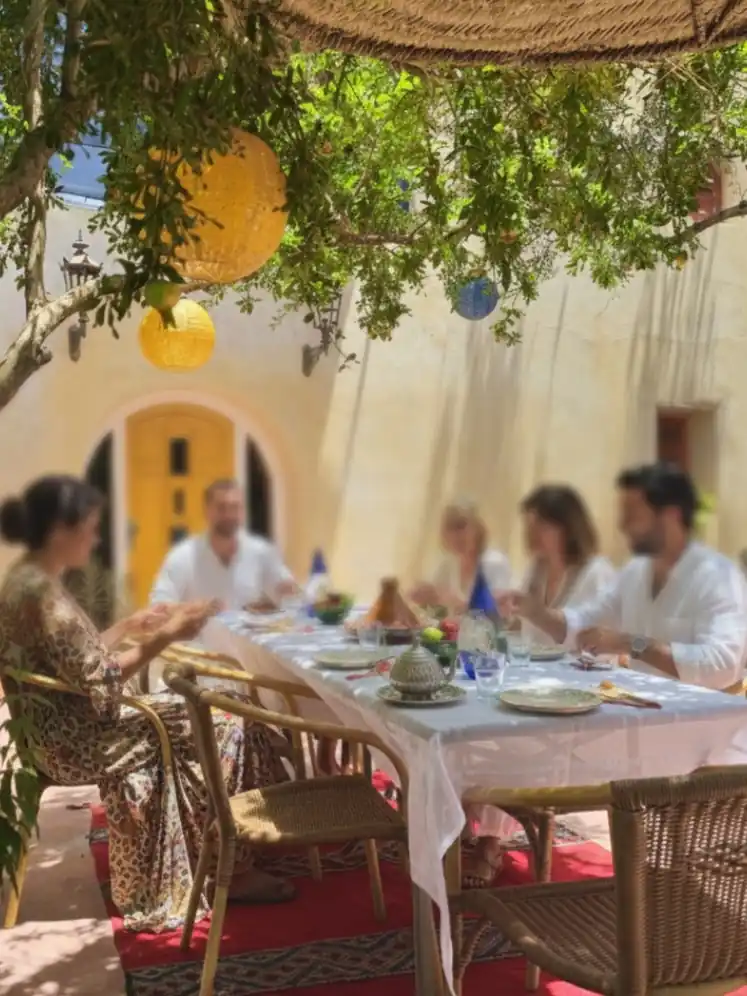
Staying in Bhalil changes the visit from a quick excursion into a village experience. Early mornings and evenings are quieter, local hosts can arrange cave-house visits with consent, and there is time to explore Sefrou or the surrounding countryside without racing back to Fez.
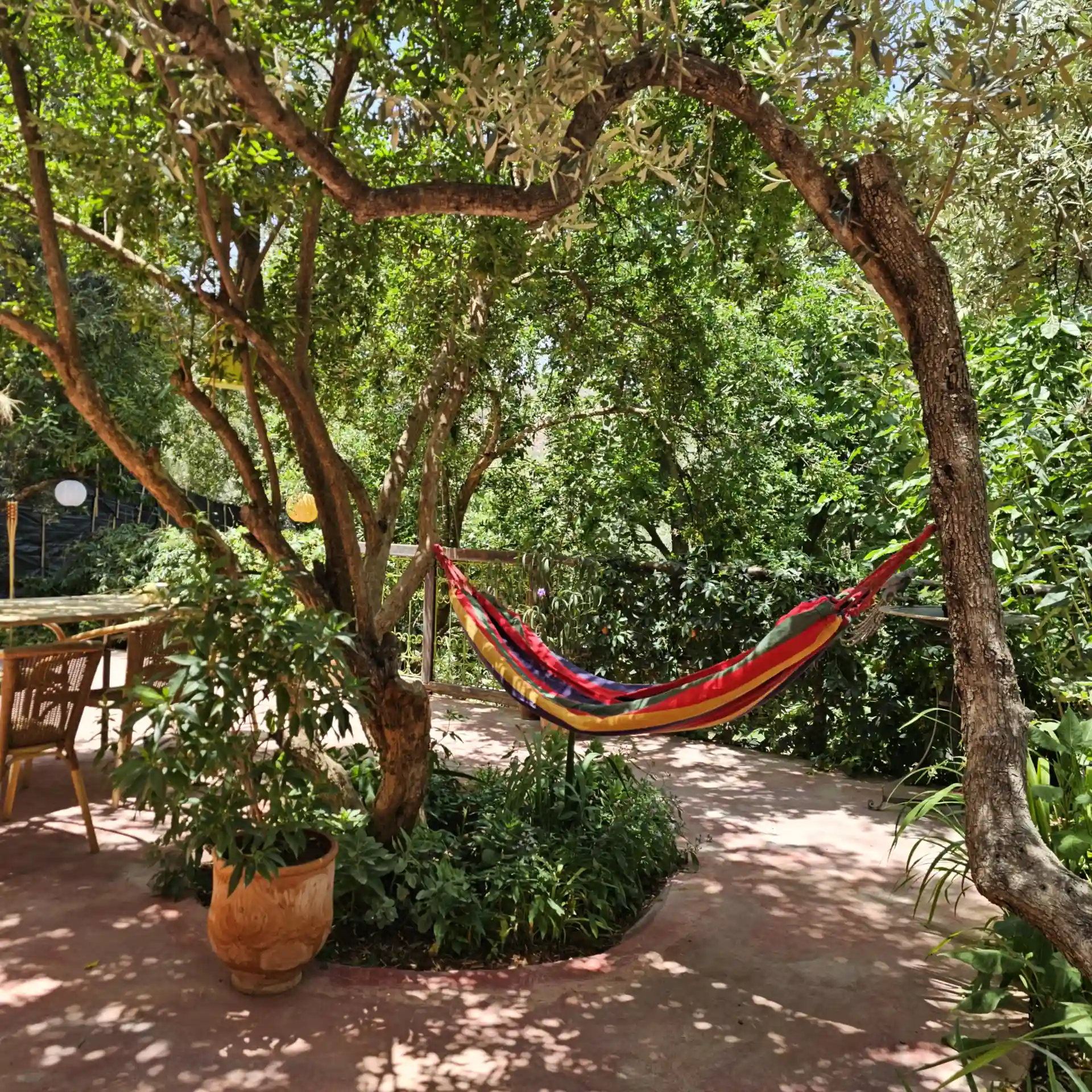
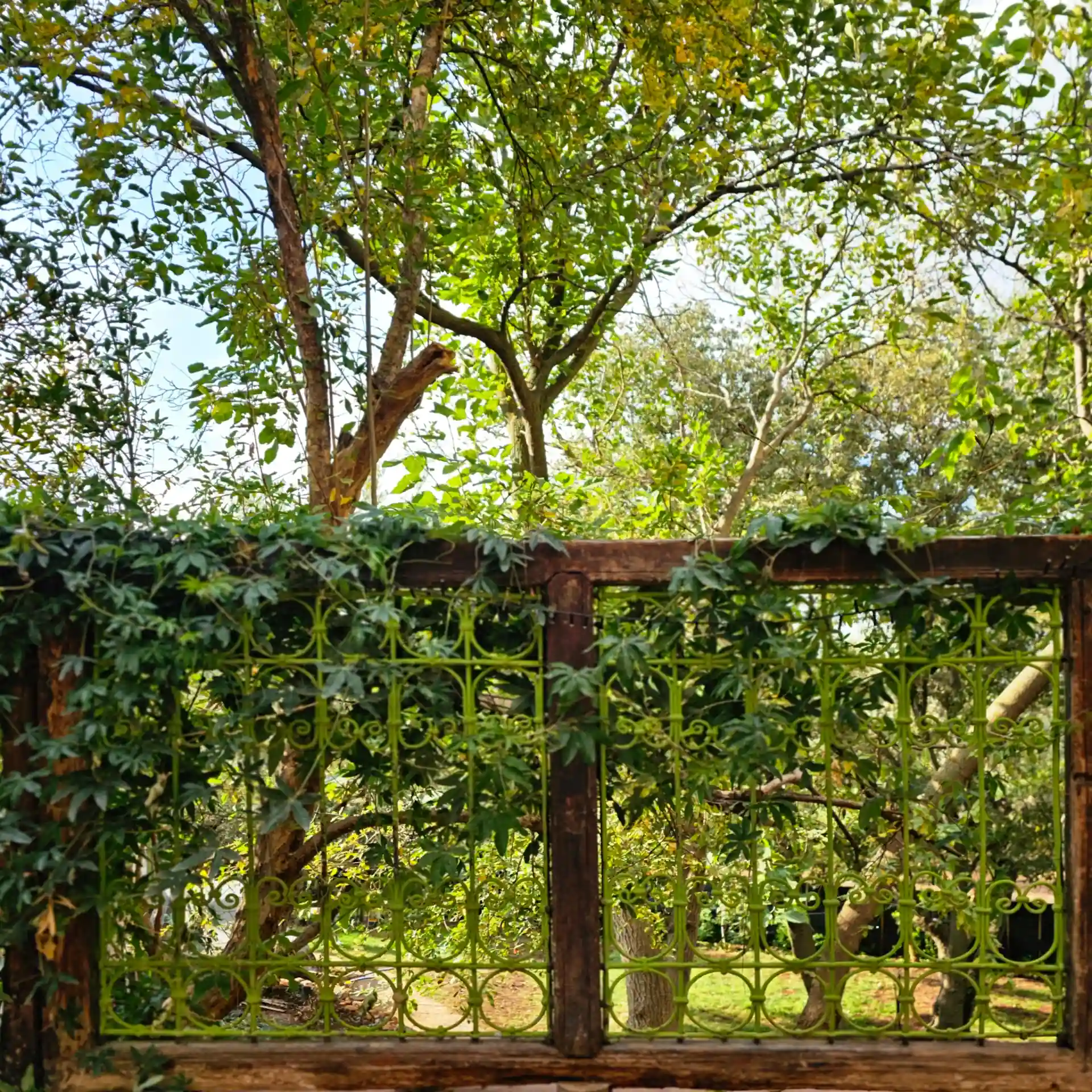
Dar Zaytoun offers five individually decorated guest rooms, a garden, pool and outdoor spaces among olive and fruit trees. Current rates, meal arrangements, transfers, group capacity and guided visits should be confirmed directly when booking rather than relying on fixed prices in a travel article.
Frequently Asked Questions
What is Bhalil famous for?
Bhalil is best known for cave rooms carved into its limestone cliffs and incorporated into living houses. It is also known for women's hand-knotted buttons for djellabas and kaftans, its old hillside quarters, springs and surrounding olive groves.
How old are the Bhalil cave houses?
No secure founding date exists for the settlement or its first cave rooms. Bhalil is clearly old, but claims that the village is Roman, fourth-century, pre-Islamic Christian or originally Jewish are not proven by current public evidence. The safest description is an old vernacular settlement repeatedly enlarged and adapted over many generations.
Can you visit the cave houses in Bhalil?
Yes, but most cave houses are private. Arrange a visit through a resident, local guide or accommodation, confirm what is included and agree any contribution beforehand. Always ask before entering rooms or photographing people and possessions.
How many cave houses are in Bhalil?
Local published estimates range from roughly 500 to 600 caves and cave-like rooms, but there is no complete public inventory and definitions vary. Only some are inhabited; others are used for storage, left unused, partly renovated or incorporated below newer houses.
Are Bhalil cave houses always cool inside?
The surrounding rock moderates fast outdoor temperature changes, so many caves feel cool in summer and sheltered in winter. There is no single temperature for every home. Depth, sunlight, openings, airflow and renovation differ, and poorly ventilated caves can be humid or stale.
How far is Bhalil from Fez?
Bhalil is roughly 25–30 km south of Fez, depending on the starting point and route, and only a few kilometres from Sefrou. Driving is simplest; public transport usually means a shared taxi to Sefrou and a shorter onward local ride. Confirm current stands, fares and schedules locally.
How much time do you need in Bhalil?
Allow at least two to three hours for a guided old-town walk and one prearranged cave visit. A full day is better if you want a meal, craft encounter, countryside walk or time in nearby Sefrou. Staying overnight gives the calmest experience.
Is Bhalil accessible for travellers with limited mobility?
The historic quarters are steep and include irregular steps, narrow lanes, uneven paving and variable cave thresholds. A tailored partial route may be possible, but arrange it in advance with a local host who can select the easiest approach and an accessible cave space.
Is there accommodation in Bhalil?
Yes. Dar Zaytoun has five individually decorated rooms, a garden, pool and outdoor spaces in Bhalil. Confirm current prices, meals, transfers, group arrangements and guided visits directly when booking because these details can change.